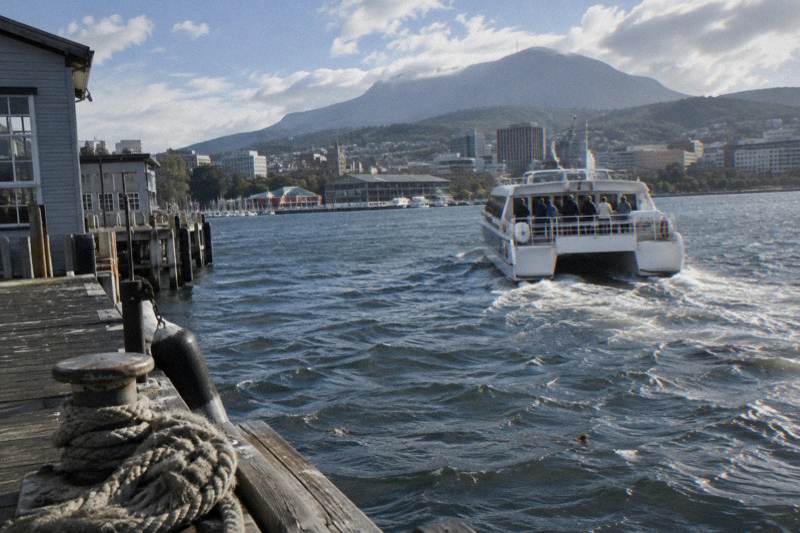
Is 2 Hours Enough For MONA After The Boat Cruise Over?
A worked time budget for a two-hour MONA visit built around the museum ferry's stated 30-minute crossing from Brooke Street Pier, with ticket facts and planning advice.
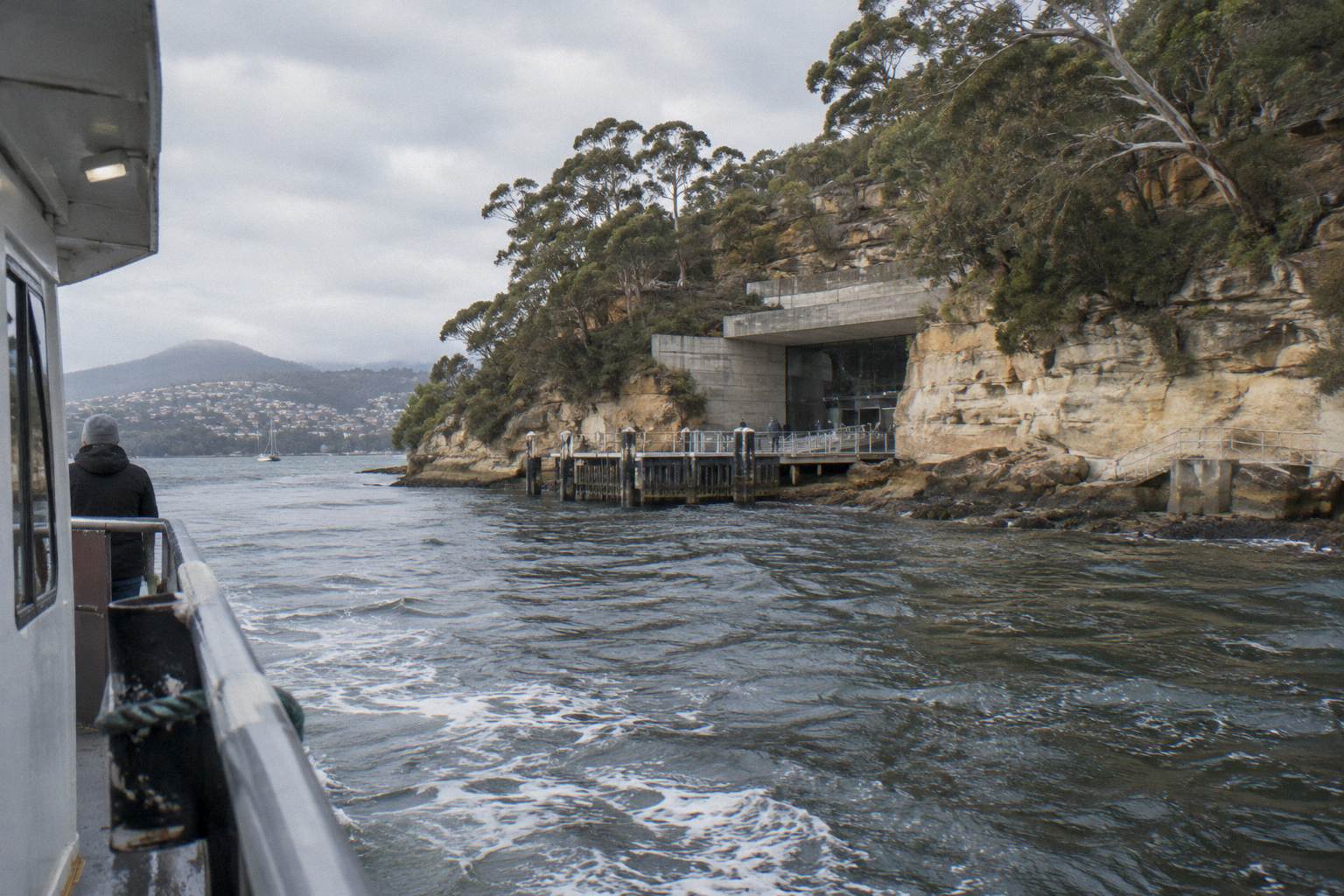
Strictly by the clock, two hours at MONA is possible but tight: the ferry crossing takes about 30 minutes each way, so a two-hour window ashore becomes roughly three hours door to door from Brooke Street Pier, before boarding buffers and the walk from the berth. Whether that is enough for the art itself is a judgment the operator's numbers cannot make for you.
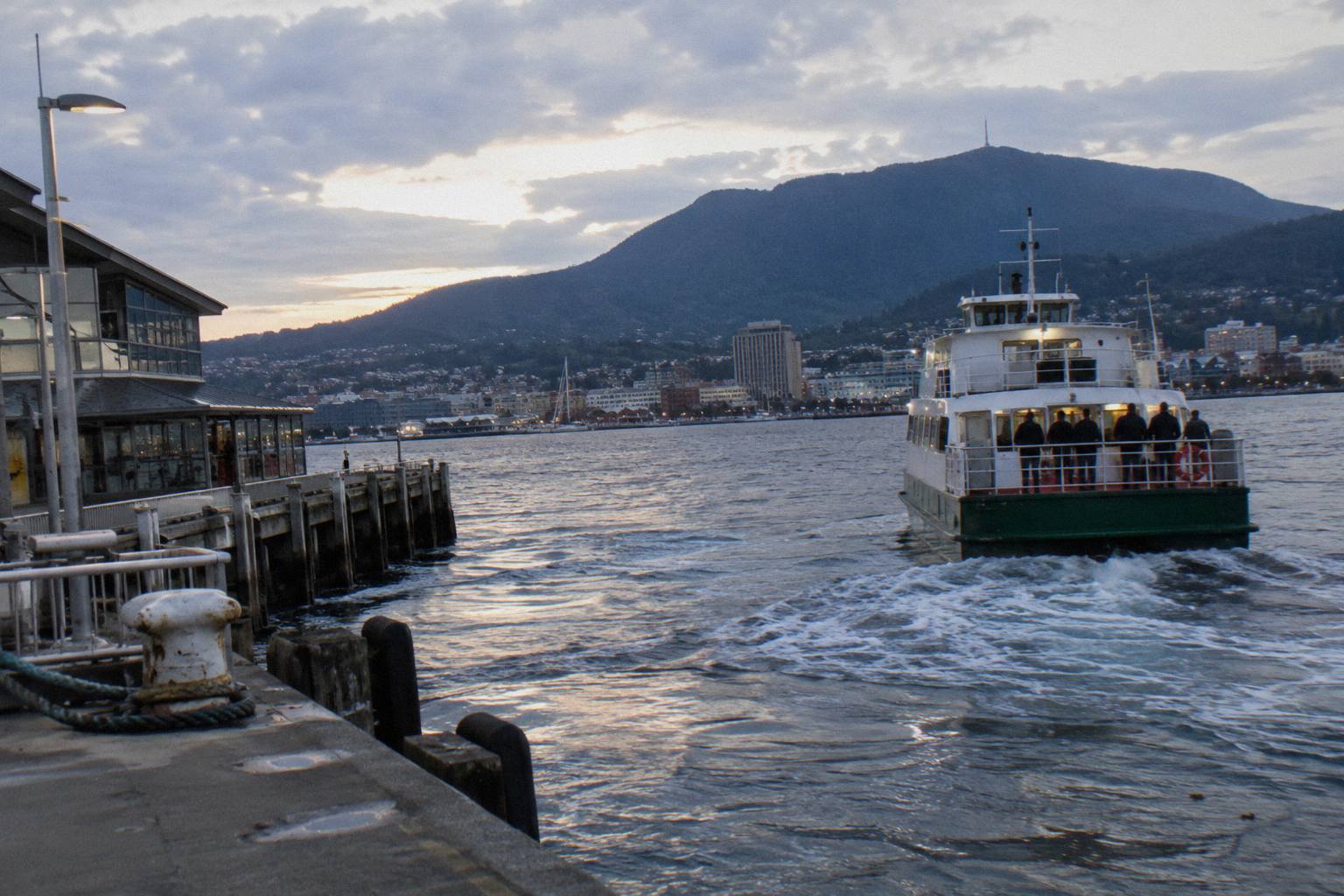
The question hides a smaller, answerable one underneath it. Nobody can hand you a rule for how long a museum visit takes, because that figure is not stated anywhere in the operator's published material. What is stated, plainly, by the museum's own ferry pages: the crossing runs about 30 minutes each way from Brooke Street Pier, the return ticket costs the same as a one-way fare, and museum entry is a separate ticket you buy even with a ferry booking in hand. Those are hard edges. A two-hour visit is really a planning exercise about those edges.
Start with what the two-hour window actually is. If you mean two hours ashore, the ferry eats an hour of your day in transit alone, roughly 30 minutes out and 30 minutes back, and that is before you allow a single minute for boarding, disembarking, or moving between the berth and the galleries. If you mean two hours away from Hobart's waterfront in total, the arithmetic turns unforgiving: two hours minus one hour of stated crossing time leaves about 30 minutes per direction of slack for everything else, and one of the first things you meet on arrival is a staircase of 99 steps, with an accessible entrance via a tunnel if you tell onboard staff you need it. That staircase alone can reshape a tight budget, and the unstated boarding legs on top of the crossings push the real overhead past the bare hour on the water.
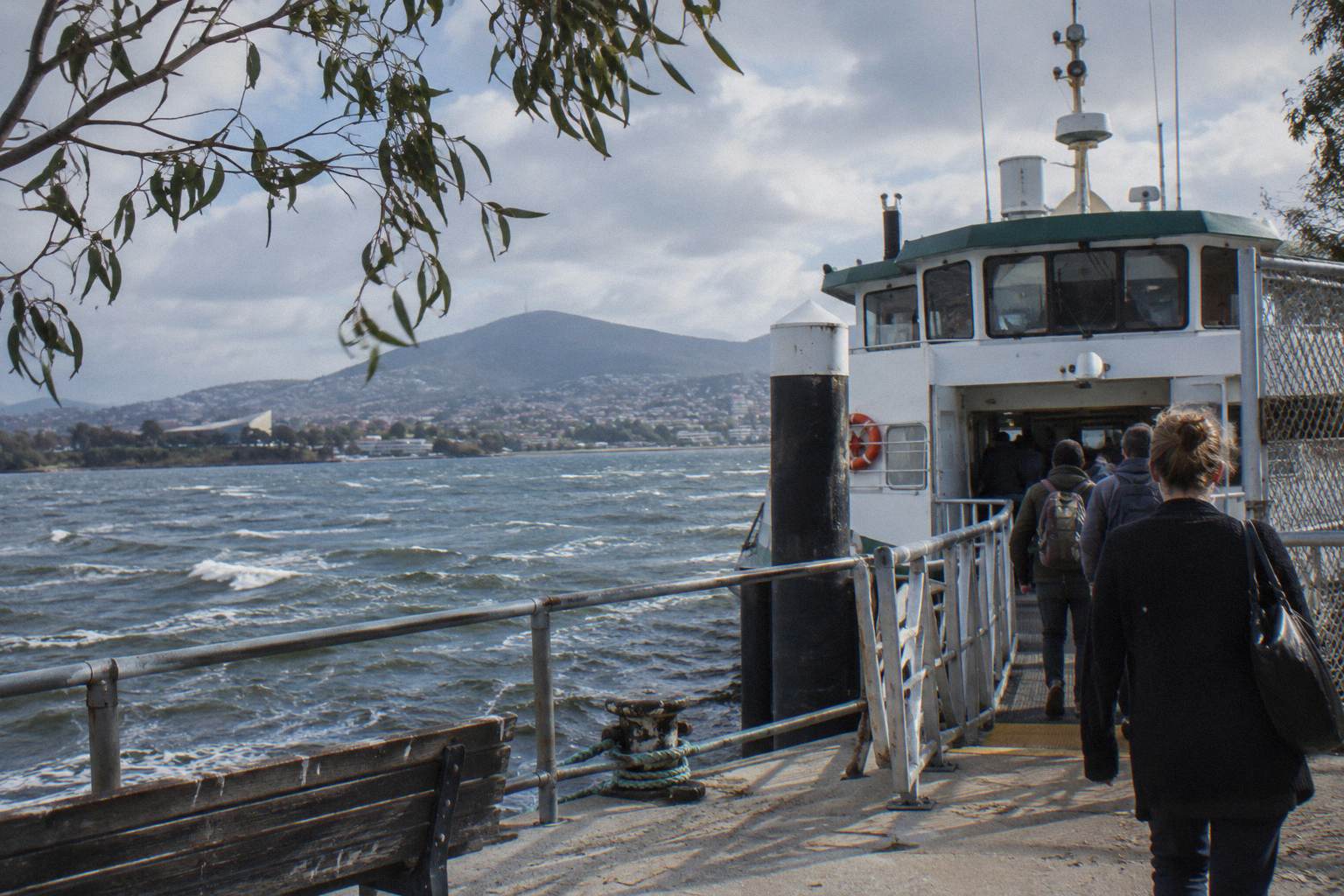
The ferry itself is a museum service rather than a sightseeing product: the bookable cruises are the Derwent and harbour cruises, while the MONA ferry is run by the museum as transport to its own door.
How Long Does The Boat Trip To MONA Take?
The crossing takes about 30 minutes each way, the operator states, which means the round trip on the water alone is about an hour. Adding the stated boarding guidance and the arrival steps, the real overhead around the crossings runs higher than that bare hour, and every minute of it comes off your two-hour window before you have seen a single artwork.
Here is the worked time budget, built only from the stated figures. The operator's ferry page gives the 30-minute crossing and nothing else by way of timing; no departure times are printed because the timetable loads dynamically on the museum's own site, and the operator notes a different timetable applies from 3 December. So the table below holds the fixed parts and marks the moving parts honestly.
| Leg of the trip | Stated time | Notes |
|---|---|---|
| Ferry crossing, Hobart to MONA | about 30 minutes | Operator-stated |
| Arrival: steps or tunnel to the museum | Not stated | 99 steps, or accessible tunnel entrance via onboard staff |
| Your window on the museum side | your choice, e.g. 2 hours | Museum entry is a separate ticket |
| Return crossing, MONA to Hobart | about 30 minutes | Operator-stated |
| Boarding and berth movement, both ends | Not stated | Buffer only; allow what you need |
Read the middle row carefully, because it is the one people skip. Two hours "at MONA" plus the two stated crossings is three hours of scheduled time, and the unstated legs, boarding queues, the walk from the berth, the staircase, are the only place the plan can fail. If the museum is the whole point of your day, that is fine: three hours is a modest claim on a Hobart morning. If two hours is all you have before a lunch booking back in the city, the crossings alone consume half of it and the plan has no room for a missed sailing.
There is one structural safety valve, and it is a real one. The return ticket costs the same as the one-way fare, so you are not financially punished for deciding, on the day, that your two hours should become four. Buy the return, treat the later sailing as your exit, and if you finish early, the timetable on the museum's site shows what else is leaving. No departure times are printed here because they genuinely are not fixed: they load dynamically, and the seasonal change from 3 December means a winter-planned schedule will not survive into summer. For more on that moving target, see the MONA ferry timetable planning guide, which handles the seasonal question in full.
A word on where this all begins. Brooke Street Pier, 12 Franklin Wharf on Sullivans Cove, is the ferry's departure point, and it is also the departure point for two of the Derwent cruises covered on this site, the River Derwent Guided Cruise On A Catamaran and the Peppermint Bay Lunch Cruise. If you are building a full waterfront day, the pier assignments matter, and the Brooke Street Pier departures overview lays out who leaves from where.
What Does The MONA Ferry Ticket Include?
The ferry fare, from A$32, covers the crossing only: museum entry is a separate ticket even with a ferry booking, and a A$3.50 transaction fee applies to most advance bookings. Children under 4 travel free but still need a ticket, there are no concessions, and the upmarket Posh Pit option is a private lounge, bar and deck with complimentary drinks and small food.
The distinction between ferry ticket and museum ticket is the single most common planning error here, so it deserves its own section. You can hold a valid ferry booking and still be turned back at the museum door without a separate entry ticket, and neither ticket's price for museum entry is stated on the ferry material, so check the museum's own site for that figure. What the ferry material does state, completely, is the fare structure for the crossing, and it is simpler than most:
| Ferry ticket fact | What the operator states |
|---|---|
| Fare | from A$32 |
| Return vs one way | return fare the same as one way |
| Concessions | none |
| Children under 4 | free, but need a ticket |
| Advance booking fee | A$3.50 transaction fee on most advance bookings |
| Departure point | Brooke Street Pier, 12 Franklin Wharf |
The Posh Pit deserves a sentence of honest framing rather than a sales pitch. It is a private lounge, bar and deck with complimentary drinks and small food, and its price is not stated in the operator's published material, so treat it as an upgrade you price on the museum's own ferry and visitor pages rather than a number carried forward here. One genuine limitation is stated plainly by the operator: the ferry cannot cater for coeliac or severe allergies, and it wants 24 hours notice for other dietary needs. That matters for a tight two-hour visit, because there is no slack to solve a lunch problem on the fly.
Accessibility on the ferry is well documented by the operator and worth repeating exactly. The lower deck is accessible for mobility aids and prams, with a bar and an accessible toilet. At the museum end there are 99 steps on arrival, with an accessible entrance via a tunnel, and you tell onboard staff you need it. For a two-hour window this is not a footnote: if the tunnel route applies to you or anyone in your group, build the arrival transition into the budget rather than discovering it at the berth.
What Can You Actually See In Two Hours At MONA?
This page cannot answer that with a number, because the operator states no typical visit length, no museum hours, and no gallery-by-gallery timing. What can be said from stated facts: arrival involves 99 steps or the accessible tunnel, museum entry is a separate ticket, and the return ferry costs no more than the one-way, so extending past two hours costs you only time, not fare.
How long a museum visit takes, museum opening hours, and museum entry pricing are not stated by the operator. Two things that are stated bear directly on a two-hour plan.
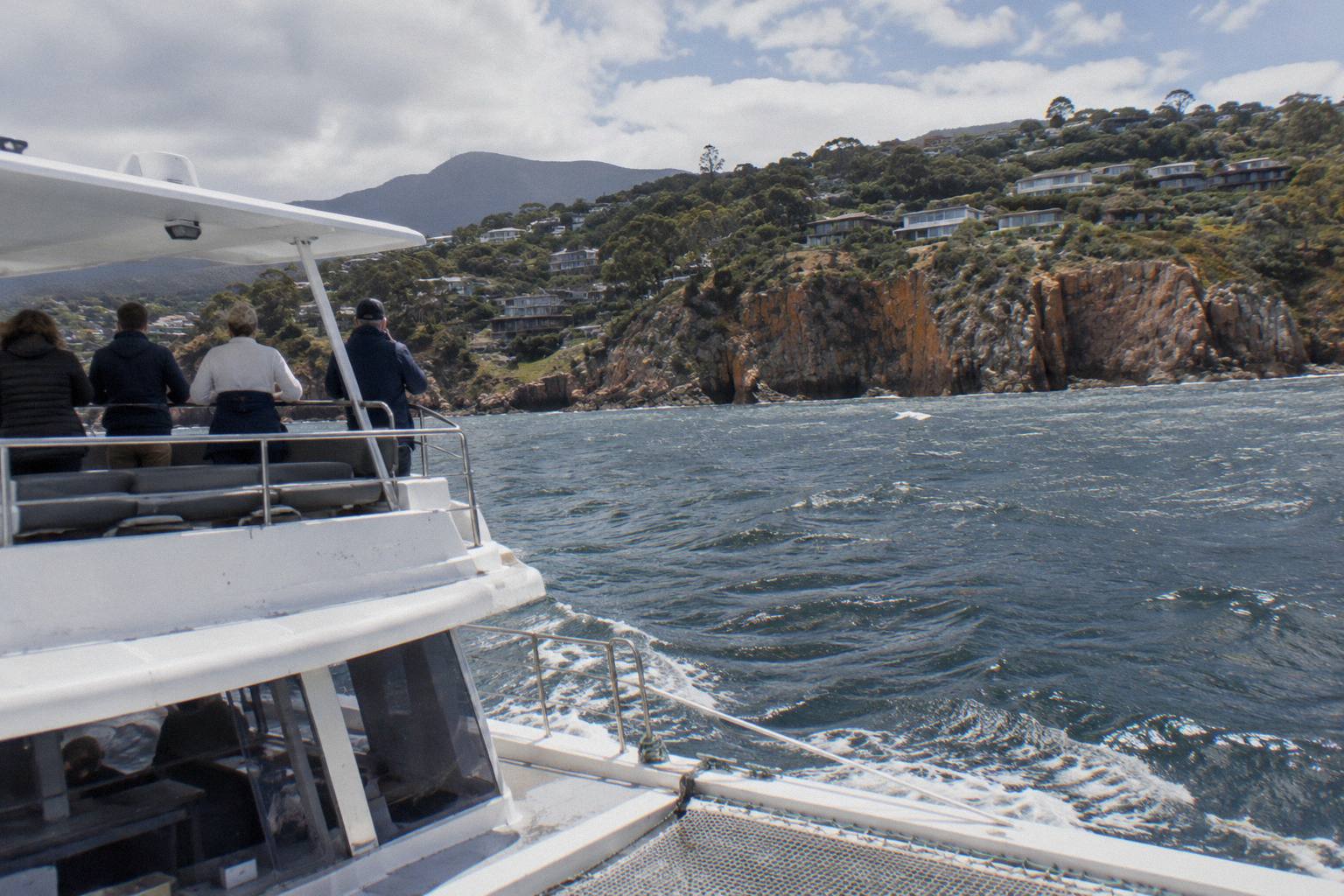
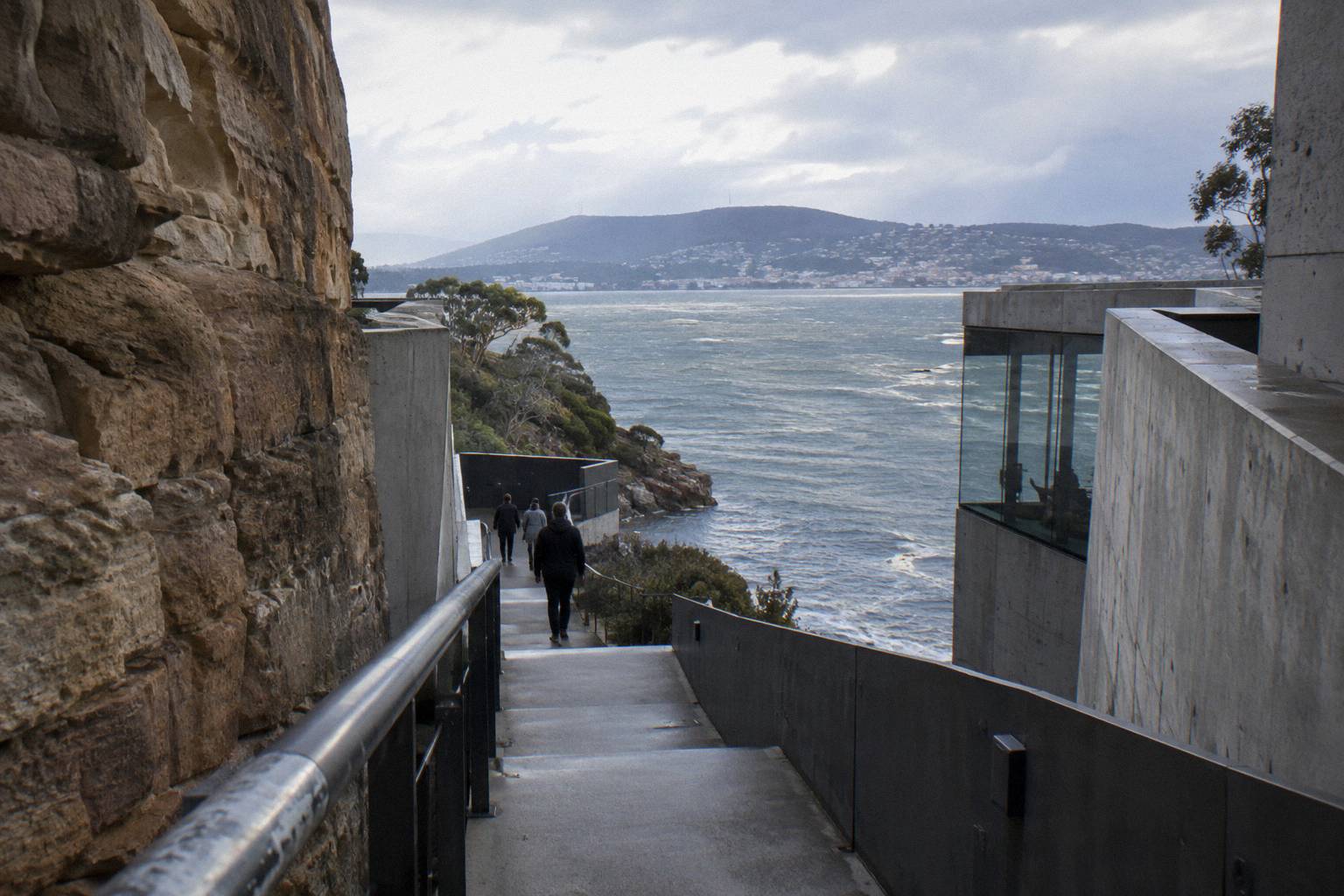
First, the museum is reached by boat or by a long approach from above, and the ferry berth delivers you at the bottom of the site. The 99 steps are the operator's own count, which tells you the arrival is not a flat doorstep walk into a lobby. Second, the fare structure rewards flexibility: because a return ticket costs the same as one way, the cheapest ticket is also the most flexible one. If your two hours runs long, you have not prepaid for a sailing you missed.
For the visit itself, plan by floor, not by hours. Whatever the galleries hold, a two-hour visit that starts with a clear idea of the two or three things you most want to see will beat a three-hour visit that starts with a wander, and that is true of every large museum, not just this one. Book the entry ticket in advance for the same reason you book the ferry: the two-ticket structure means two places a same-day purchase can slow you down.
Which Return Sailing Should You Book?
Book the second sailing after your intended exit, not the first, and treat the timetable as seasonal: the museum loads it dynamically and states that a different timetable applies from 3 December. Because the return fare equals the one-way fare, choosing a later sailing costs nothing, and a two-hour plan with a hard deadline should never depend on catching one specific boat.
The logic is purely mechanical. If your visit needs two hours and the crossings take about 30 minutes each, your minimum waterfront absence is three hours. A hard constraint after that, a tour departure, a lunch booking, a cruise check-in, means you should work backwards from it, pick the latest sailing that gets you back in time, and then take the one before it as your planned exit. The gap between those two sailings is your entire buffer, and since no departure times can be printed here, you must read them on the museum's own page for the date you travel.
One distinction that saves confusion. Hobart River Cruises covers the sightseeing and lunch cruises on the Derwent, and the MONA ferry sits outside that lineup as a museum service; a full comparison of the two kinds of boat day is in the is a Hobart cruise worth it discussion. If you are weighing the ferry against simply driving, the ferry or drive decision for MONA walks that trade-off separately, including the parking options around the northern shore approach.
What Else Can You Do On The Water That Day?
If two hours at the museum feels thin against a full day on the water, the Derwent cruises from the surrounding piers fill the rest of it: a one-hour Morning River Cruise from Murray Street Pier, a 1.5 to 2 hour guided catamaran cruise from Brooke Street Pier, and a 2.5 hour Iron Pot lighthouse cruise from Franklin Wharf at 2.00pm daily, which layers cleanly onto a morning ferry return.
The morning option first. The Morning River Cruise runs about an hour from Murray Street Pier, 28 Morrison Street, with refreshments available to buy on board, and it is short enough to sit in front of a midday ferry departure without stress. It shares its pier with the Historic Lunch Cruise, about 1.5 hours with a one-course onboard lunch, if you would rather fold the meal into the water time.
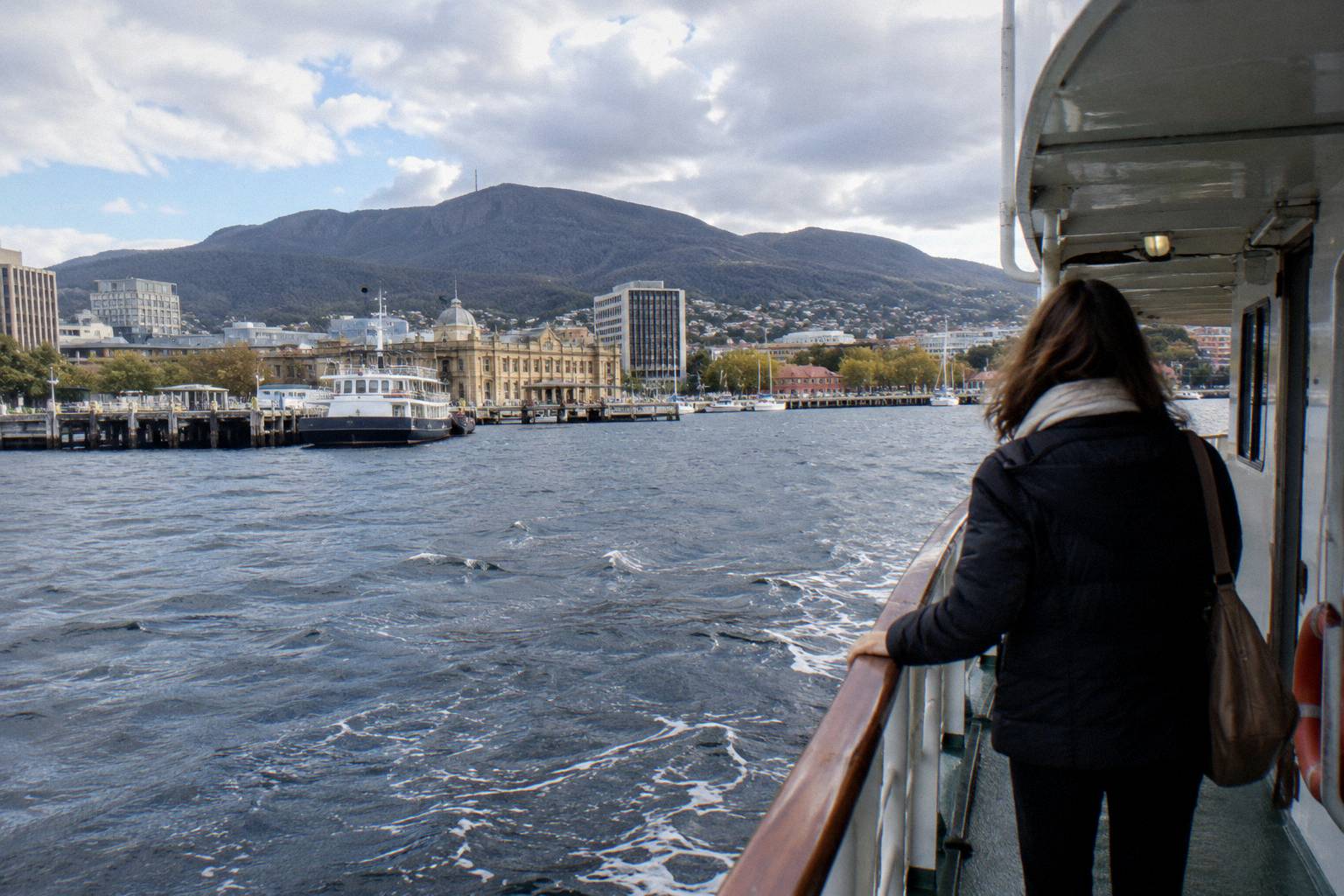
The catamaran option departs from the same pier as the ferry itself. The River Derwent Guided Cruise On A Catamaran runs about 1.5 to 2 hours from Brooke Street Pier, and its booking page lists the Shot Tower, Alum Cliffs and the Iron Pot Lighthouse on its route, on a vessel that page describes as wheelchair friendly on the main deck, with children, prams and service animals welcome. The duration is stated as a range because the operator's own pages differ on it, 90 minutes on one and 1 hour 45 minutes on another, so plan against the longer end if a ferry sailing follows it.
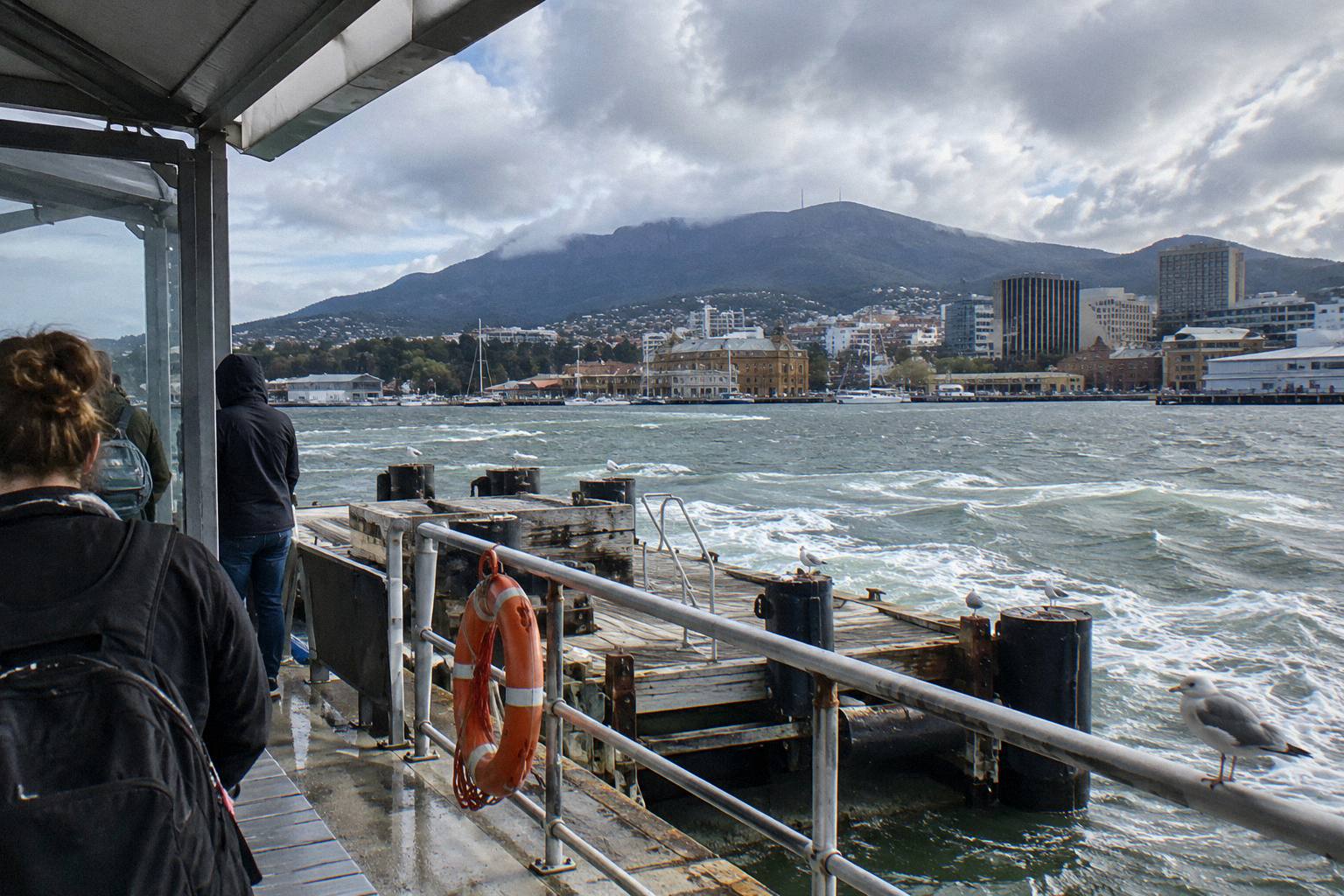
And the headline water trip, if the lighthouse rather than the museum is what drew you to Hobart. The 2.5-Hour Iron Pot Lighthouse Cruise departs Franklin Wharf at 2.00pm daily, 10.00am from December to April, and heads down the Derwent past Battery Point, Wrest Point Casino and the Shot Tower toward Storm Bay and the lighthouse itself, Tasmania's oldest, built by convicts in 1832. It carries a 4.9 rating across 248 reviews, the operator's price is A$150 adult and A$130 for children aged 1 to 16, and bookings are essential. A 2.00pm departure is a natural partner for a MONA morning: off the ferry by early afternoon, along the waterfront to Franklin Wharf, on the water again by two. The fuller route description is in the Iron Pot lighthouse cruise guide.
Booking and cancellation terms are stated and friendly across the roster: every cruise booking page here says cancel up to 24 hours in advance for a full refund, and the Iron Pot cruise's own page offers free cancellation up to 24 hours ahead, though the operator's broader terms apply a 100% charge within 24 hours of departure. The MONA ferry, being a museum service, runs on the museum's own conditions, so check those when you buy the crossing.
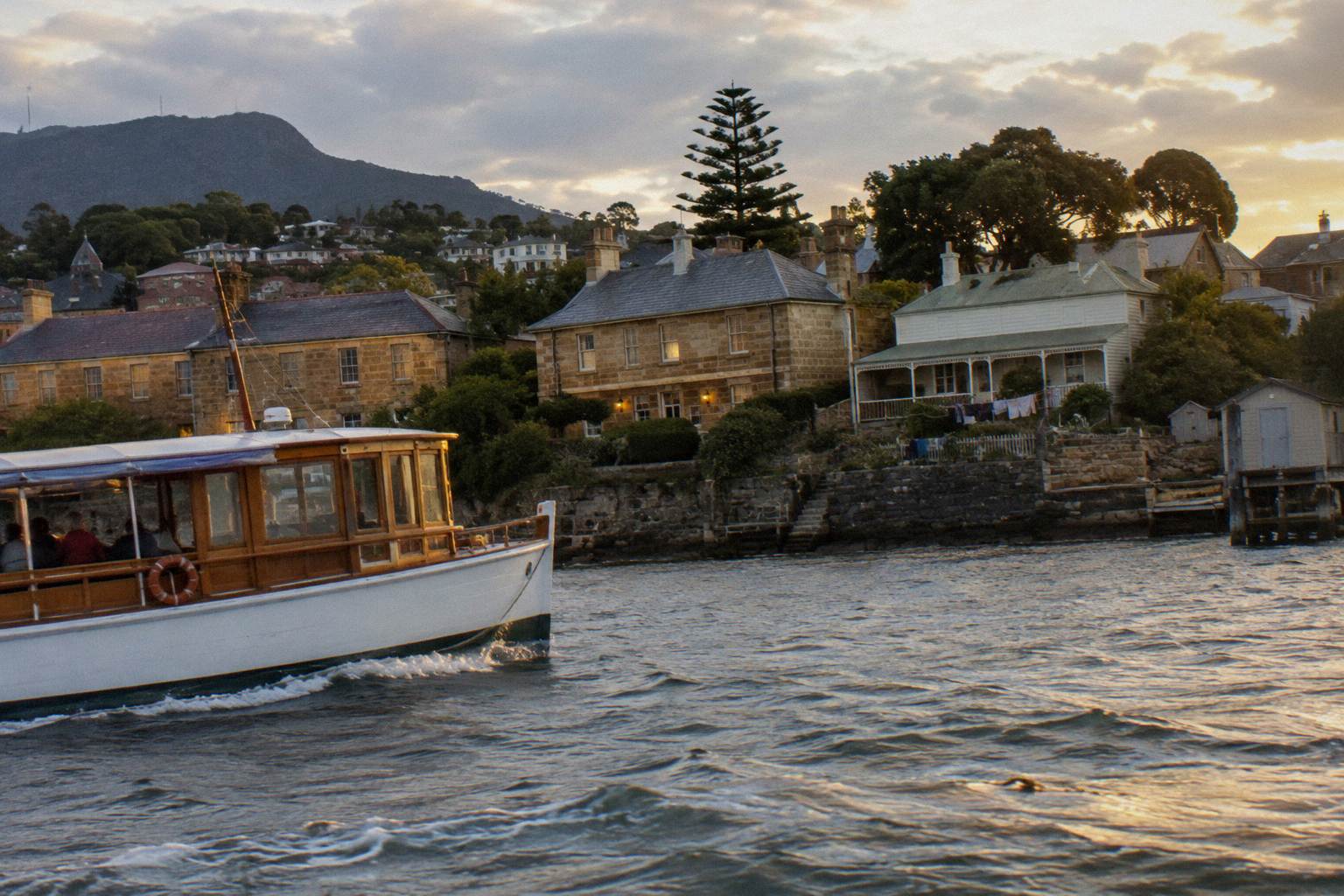
If the day is bigger than one museum and one cruise, the surrounding options are laid out in the what cruises leave Hobart rundown, and the cost side of every ticket is compared in the Hobart cruise prices guide, which is where the stated operator figures for each product live.
Common Questions About MONA Visit Timing
Is 2 Hours Enough For MONA After The Boat Cruise Over?
By the stated numbers it is possible but tight: the crossing takes about 30 minutes each way, so a two-hour window ashore means roughly three hours door to door from Brooke Street Pier, before boarding buffers and the 99 arrival steps. Whether two hours satisfies you at the museum itself is not stated anywhere and depends on what you want to see; the fare structure at least lets you extend, since a return ticket costs the same as one way.
How Long Is The Ferry Ride To MONA From Hobart?
About 30 minutes each way, departing Brooke Street Pier, 12 Franklin Wharf on Sullivans Cove, according to the operator's own ferry pages. Fares are from A$32, the return costs the same as one way, children under 4 are free but need a ticket, and a A$3.50 transaction fee applies to most advance bookings.
Does The MONA Ferry Ticket Include Museum Entry?
No. Museum entry is a separate ticket even with a ferry ticket, and the ferry material verified for this page does not state the museum entry price or opening hours. Buy both before you travel if a two-hour window leaves no room for a same-day purchase queue.
Can I Catch A Later Ferry Back If My Two Hours Runs Long?
Yes in principle, and it costs you nothing in fare, because the return ticket is the same price as a one-way. The catch is the timetable: departure times are not printed here because the museum loads them dynamically and a different timetable applies from 3 December, so read the day's sailings on the museum's own page before you commit to an exit.
Is The Ferry Accessible For Wheelchairs And Prams?
The lower deck is accessible for mobility aids and prams, with a bar and an accessible toilet, per the operator. On arrival at MONA there are 99 steps, with an accessible entrance via a tunnel; tell onboard staff you need it. Build the tunnel route into your time budget rather than discovering the staircase at the berth.
What Else Can I Book On The Water Around A MONA Visit?
The Derwent cruises covered on this site include the one-hour Morning River Cruise from Murray Street Pier, the 1.5 to 2 hour guided catamaran cruise from Brooke Street Pier, and the 2.5-hour Iron Pot Lighthouse Cruise from Franklin Wharf, which departs at 2.00pm daily and pairs well with a MONA morning. Cancellation on all of them is free up to 24 hours in advance per their booking pages.