Can You See Whales From A Boat Trip Out Of Hobart?
An honest answer to the whale question for Hobart boat trips: what is actually bookable, which birds and islands you do see, and which cruise gets closest to open water.
No. There is no bookable whale-watching cruise among the tours this site covers, and no source states whale sightings on any of them. The Hobart-departing cruises on this roster are Derwent River and harbour trips: sightseeing, lunch and seafood cruises that run by day. Nothing in any operator page or booking page promises a whale, and no whale season dates are stated anywhere in the verified material. That is the honest starting point, and it matters, because plenty of generic travel copy implies otherwise.
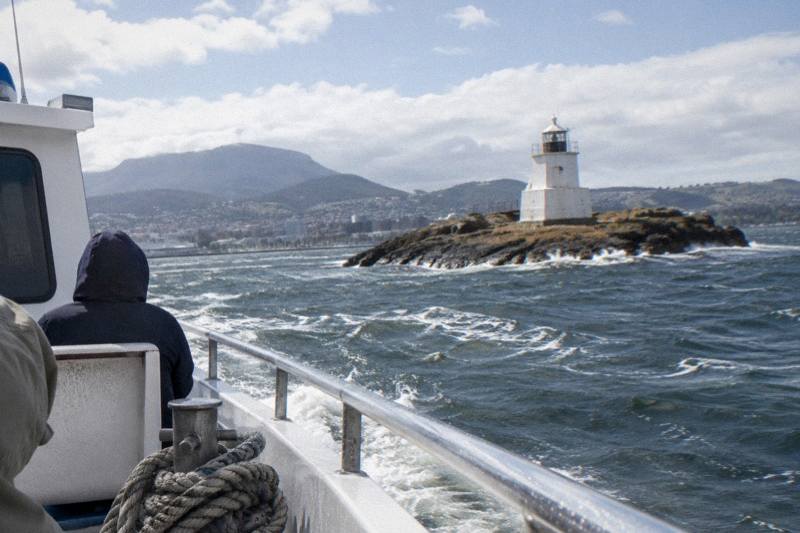
The good news is that the question behind the question is still answerable. A reader hoping for whales is really picking a season and a boat, and both of those decisions can be made on solid facts. The cruises that leave Hobart do reach genuinely wild water: the Iron Pot route runs out to Storm Bay at the mouth of the Derwent, past an uninhabited island covered in seabirds, with swell that arrives straight from the Southern Ocean. It is not a whale-watching trip, but it is not a flat pond ride either.
This page sets out what does exist, what animals and birds are actually documented on these routes, and how to choose between the boats if wildlife is the thing pulling you onto the water. If whales are a firm requirement rather than a hope, the honest route is a different one, and that is covered too, including why none of those trips depart from Hobart by boat.
What Wildlife Can You Actually See On A Hobart Cruise?
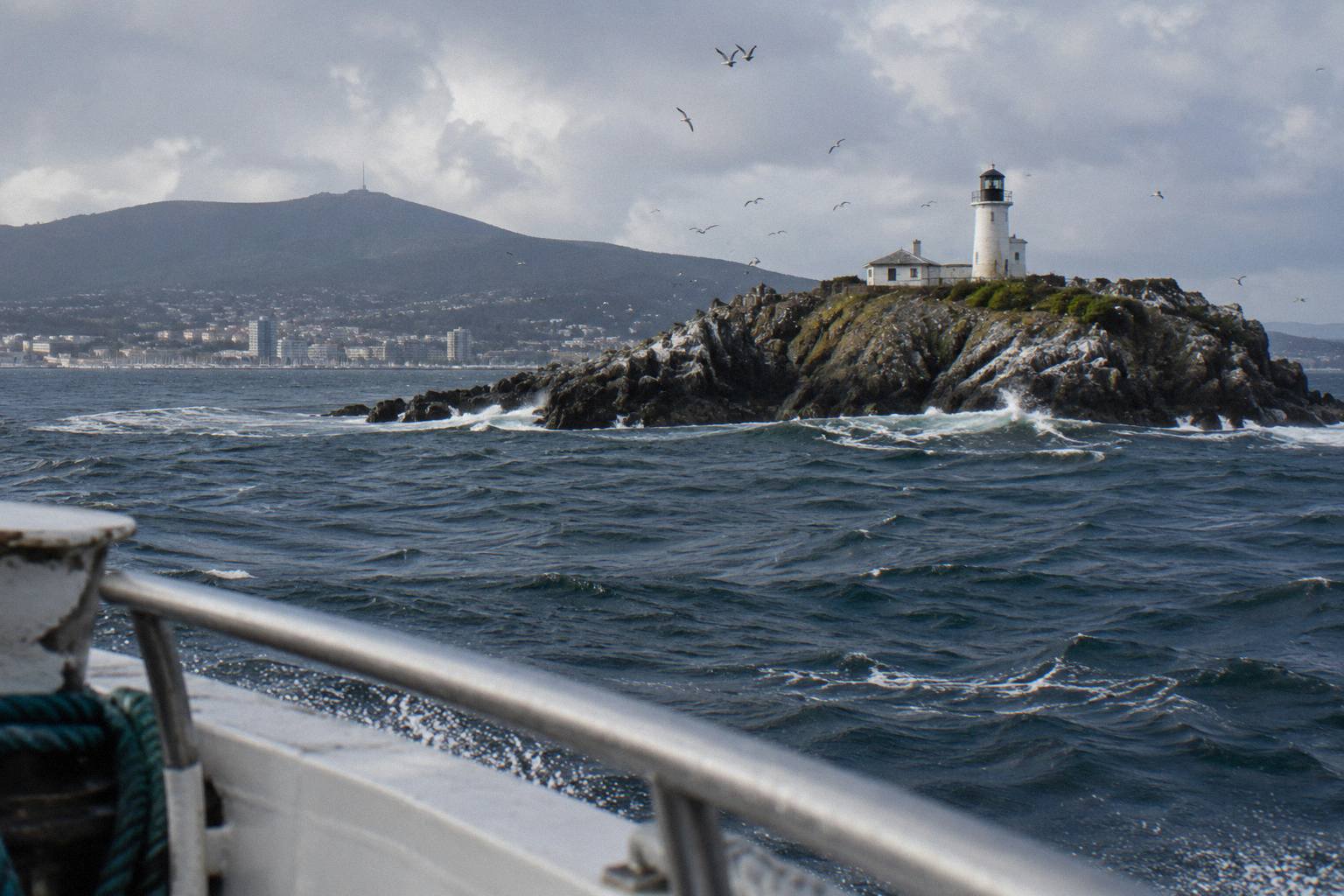
The only animals named on any covered Hobart route are birds: gulls, cormorants and white-bellied sea eagle on and around Betsey Island, which the Iron Pot cruise passes on its way to Storm Bay, and nothing beyond those birds is stated for any cruise. That is the complete, verified list. Betsey Island is uninhabited, and its bird life is part of the operator's own route description for the 2.5-Hour Iron Pot Lighthouse Cruise. No other animal, on any other covered cruise, is stated in the tour data or on the operator pages. If a listing elsewhere promises seals, dolphins or whales on a Hobart departure, that promise is not supported by anything this site's research verified.
The bird list deserves more respect than it usually gets. A white-bellied sea eagle is a genuinely large raptor, with a wingspan that makes it unmistakable when one circles the boat, and the operator's route text names it plainly alongside the gulls and cormorants that crowd Betsey Island. The island sits in the approach to Storm Bay, so the boat passes close enough for the operator to list its residents. Even here, the honest framing matters: these are the birds the route is known for, not a guaranteed sighting on any given day. Never book any of these cruises on the strength of a promised animal.
Why is the list so short? Because the covered cruises are, with one exception, river and harbour products. The Morning River Cruise runs about one hour from Murray Street Pier, well inside the estuary. The Historic Lunch Cruise runs south past Battery Point and Sandy Bay, still in the Derwent. The catamaran and sailing trips stay on the river and lower harbour. Only the Iron Pot cruise crosses out of the river proper into Storm Bay, and Storm Bay is where the bird life and the open-ocean feel concentrate. The pattern is simple: the further down the Derwent a cruise goes, the wilder the water and the better the odds of the birds listed above.
For readers comparing the covered boats with wildlife in mind, the table below is the honest summary: what each cruise states about animals, and how far down the river each one reaches.
| Cruise | Water covered | Wildlife stated |
|---|---|---|
| 2.5-Hour Iron Pot Lighthouse Cruise | Derwent to Storm Bay, past Betsey Island | Gulls, cormorants, white-bellied sea eagle on the route |
| River Derwent Guided Cruise On A Catamaran | Derwent, past Shot Tower and Alum Cliffs toward Iron Pot | Not stated |
| Historic Lunch Cruise | South to Battery Point and Sandy Bay | Not stated |
| Morning River Cruise | Harbour and river, about 1 hour | Not stated |
| Ultimate Seafood Cruise | Derwent and harbour, about 4.5 hours | Not stated |
The two "not stated" columns are not evasions; they are the finding. An honest wildlife page for these products says what is documented and stops there. It also means the choice between these boats should rest on route, comfort and food rather than on any animal expectation, which is exactly how the rest of this page frames it.
Which Cruise Gets Closest To Open Ocean?
The 2.5-Hour Iron Pot Lighthouse Cruise is the only covered Hobart departure that reaches Storm Bay, the open water at the mouth of the Derwent, turning at Iron Pot island and passing Betsey Island and Hope Beach on the way. Every other cruise on the roster stays on the river or inside the harbour. If the pull behind the whale question is really a pull toward big, wild water, this is the boat that answers it. The route runs down the Derwent past Battery Point, Wrest Point Casino and the Shot Tower, with Mount Wellington towering over the city, then out into Storm Bay where the lighthouse stands.
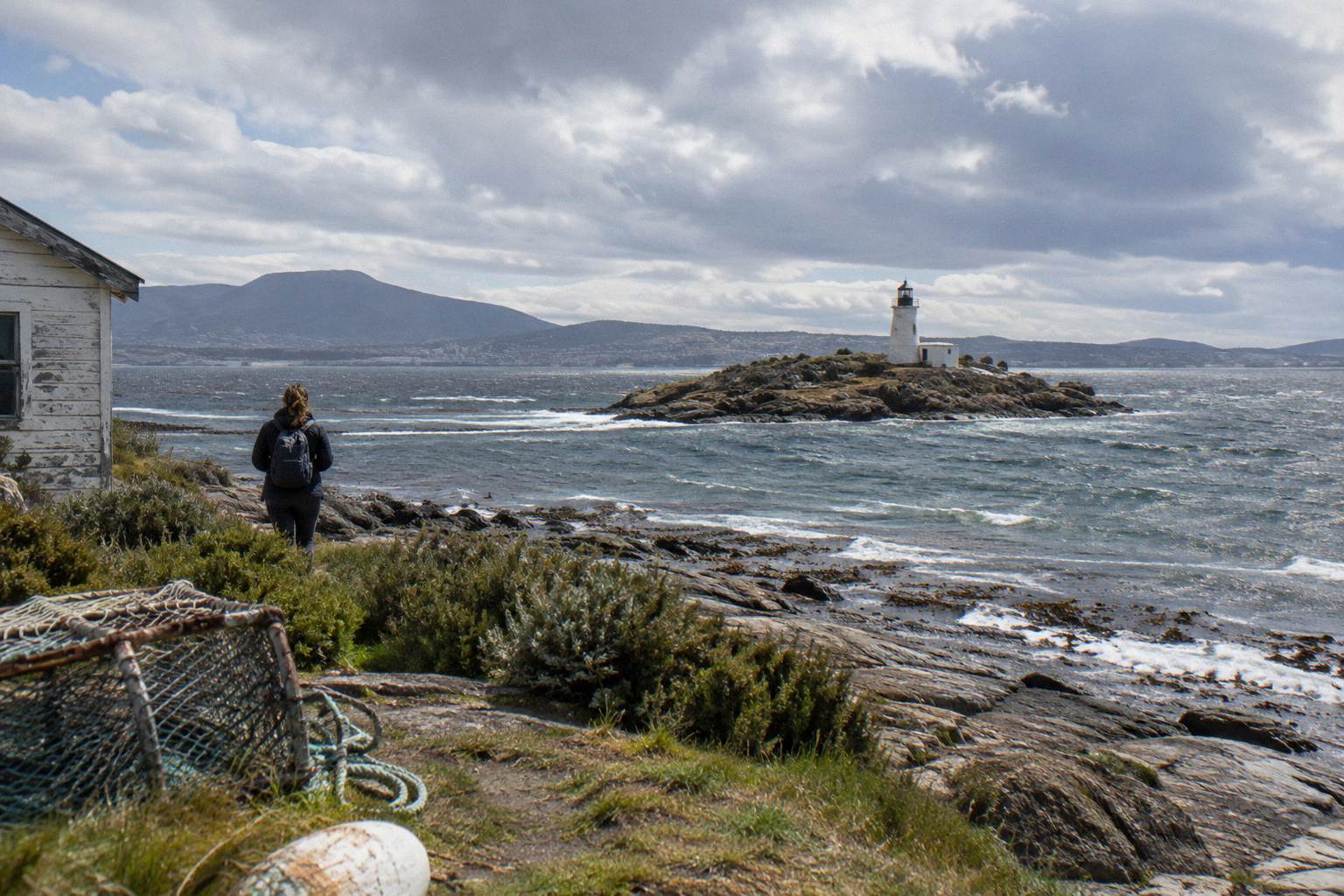
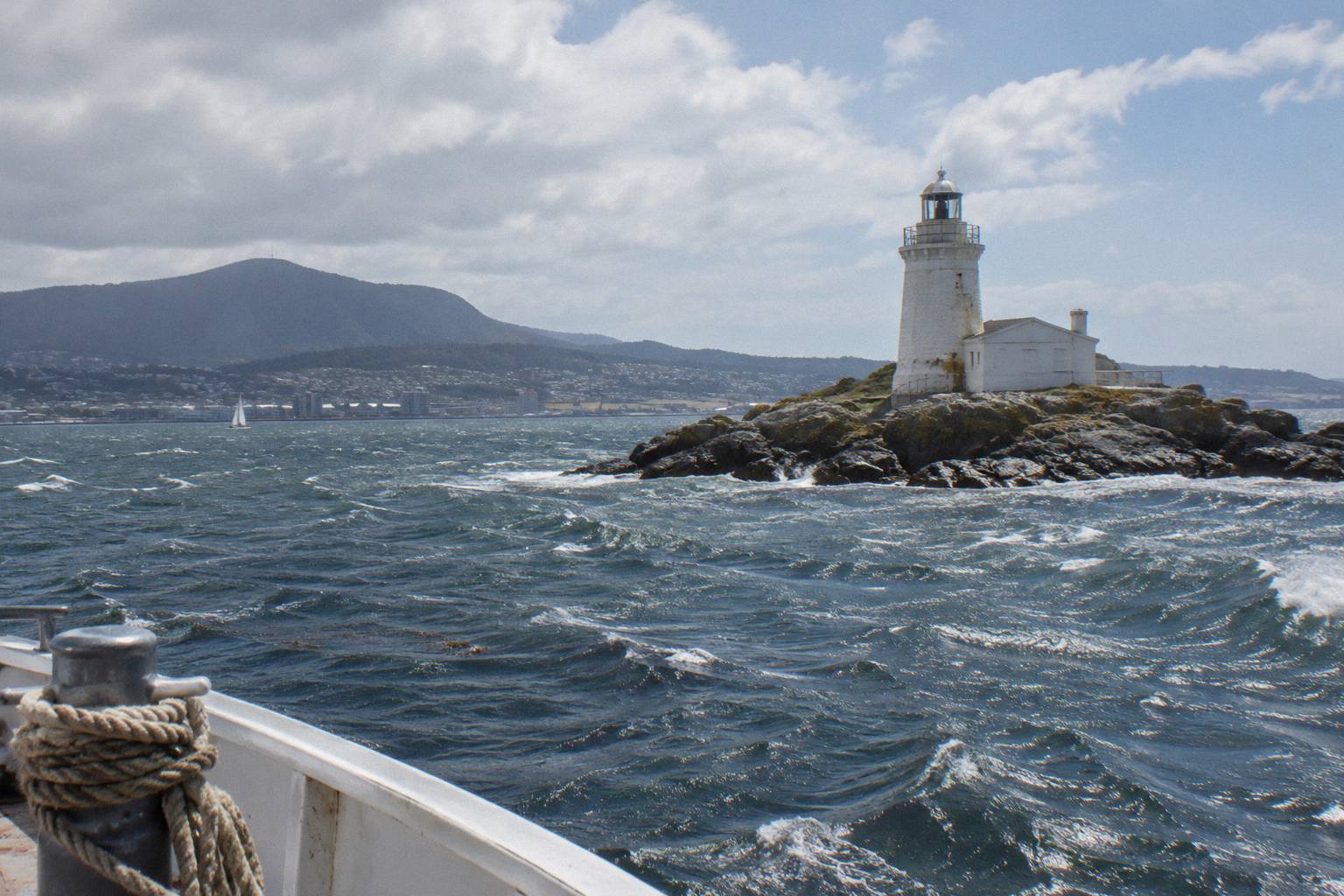
The lighthouse itself is the most storied object on any covered route. It is Tasmania's oldest lighthouse, built by convicts in 1832, an 11 metre sandstone tower with walls 1.5 metres thick, solar powered since 1977, with a range of 11 nautical miles. The skipper gives live commentary, which on this route includes what the operator calls the city's rich maritime past. It is a history-and-landscape cruise that happens to finish in genuinely open water, and Hope Beach, seen close in, shows what that means: swell arriving straight from the Southern Ocean.
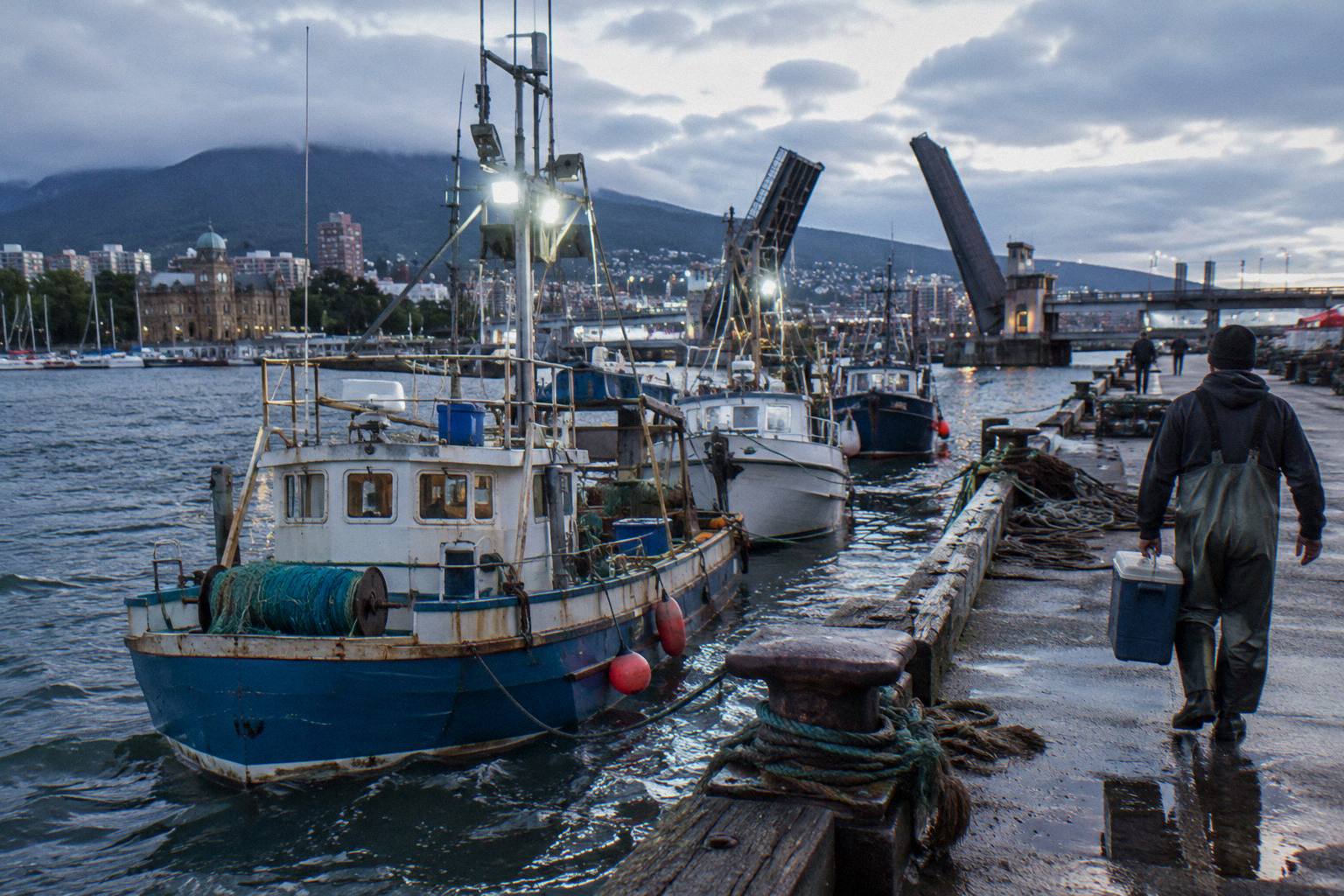
The practical facts are well documented too. The cruise departs Franklin Wharf, at the Dock Head Building next to the Constitution Dock lifting bridge, at 10.00am from December to April and at 2.00pm daily all year, operating every day except Christmas Day. Bookings are essential. It runs about 2.5 hours on brand new vessels in a small group, with an enclosed cabin, leather seats, large awning windows and an onboard toilet on every boat. The operator's price is A$150 adult and A$130 for children aged 1 to 16, and children of all ages are welcome. It carries a rating of 4.9 across 248 reviews.
One practical warning belongs here because it is the operator's own: dress children warmly, as it does get cold out on the water. The open stretch of this route is the reason. More detail on what to wear sits in the what to wear on a Hobart cruise post, and the wider question of whether these trips earn their fare is tackled in is a Hobart cruise worth it.
A reasonable follow-up question is whether the bigger operators run anything wilder from Hobart itself, and the verified answer is no. Pennicott Wilderness Journeys, which runs the Iron Pot cruise, also runs the Full-Day Gourmet Seafood Cruise from Constitution Dock, about 7.5 hours with rock lobster, salmon and freshly shucked oysters, local wines, beers, ciders and juice as the booking page lists. It is the longest day on the water of any covered product, but it is a food cruise, not a wildlife expedition, and nothing on its pages states animal sightings. Longest is not wildest.
Getting to the departure point is straightforward, with one planning note worth having in advance. There is no parking at the Dock Head booking centre itself; the operator points to the nearby Argyle Street Car Park or Market Place Car Park instead, both a short walk from the waterfront. If you are staying in the city centre, the wharf is close enough that most visitors simply walk down.
So Where Do You Go Whale Watching In Tasmania?
Not from Hobart by boat. The covered wildlife-focused sea cruises in Tasmania leave from Port Arthur and Adventure Bay on Bruny Island, roughly 90 minutes and 45 minutes plus a ferry from Hobart respectively, and Hobart appears on those trips only as a coach pick-up point. That is the scope, stated once and plainly, because it is the single most useful fact for a whale-hopeful reader. This site covers Hobart-departing cruises, and none of them is a whale-watching product.
Pennicott's Tasman Island Cruises depart Port Arthur, at 6961 Arthur Highway, about 90 minutes' drive from Hobart, for 3 hours on the water at adult A$190, child A$115, family A$590. There is also a full-day tour from Hobart that leaves Franklin Wharf on a 7.30am bus for 10 and a quarter hours, at adult A$290, child A$215. Bruny Island Cruises depart Adventure Bay on Bruny Island, a drive of about 45 minutes to the Kettering ferry followed by the ferry crossing, again for 3 hours, with a Hobart bus tour option. These are the trips built for big coastal scenery and open-ocean wildlife, and they are the honest answer when whales are non-negotiable.
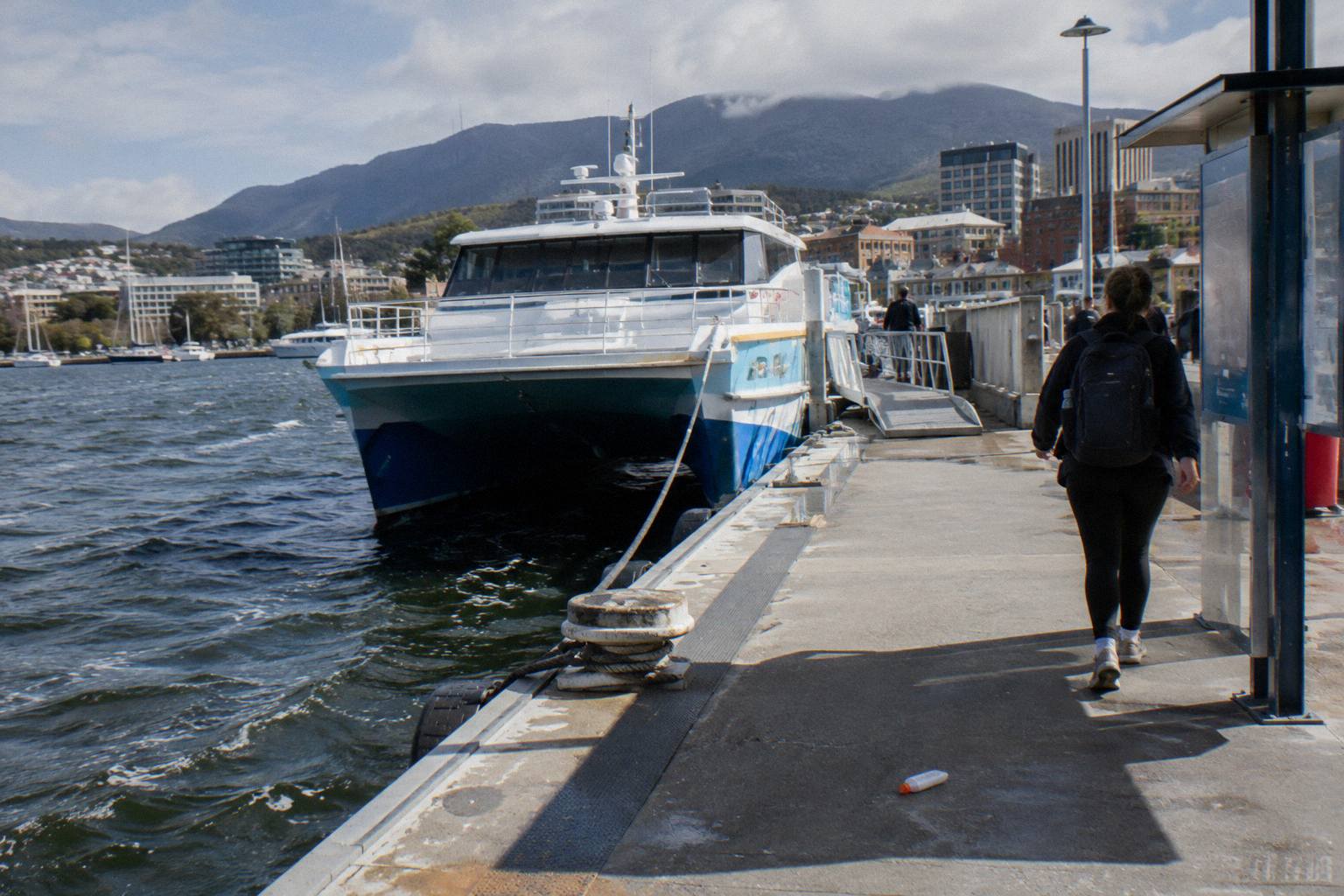
Even for those products, this page prints no sighting odds, because none are stated in the verified material. No whale season dates for anywhere in Tasmania appear in the research behind this site, so none are given here. What can be said is structural: those cruises run along exposed coastline facing the Southern Ocean, which is a different proposition from an estuary, and that geography, not a promise, is why wildlife-focused trips cluster there. The Tasman Island cruises guide covers the Port Arthur options in full, and the comparison of reaching Bruny by water or road is in cruise or ferry to Bruny.
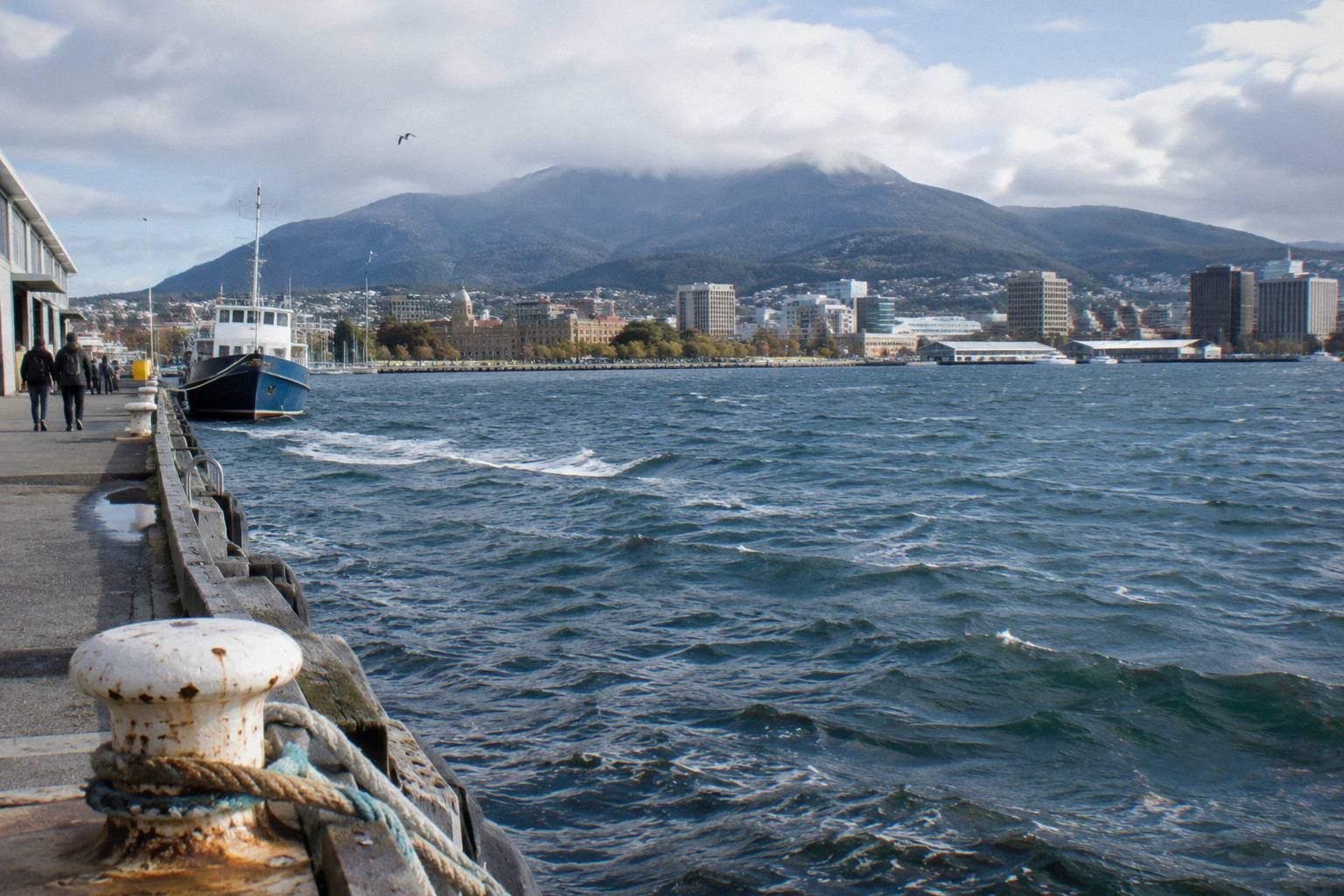
For completeness, the other boat visitors often ask about is the MONA ferry, which departs Brooke Street Pier for the museum. It is a museum ferry, not a sightseeing cruise and not one of the roster's bookable tours, and the museum's own site covers its fares, from A$32 each way. It crosses the Derwent, but it is a 30-minute transport run, not a wildlife product. Likewise there is no bookable sunset cruise, no New Year's Eve cruise and no standalone MONA sightseeing cruise among the tours covered here, and the roster's cruises all run by day.
When To Go For The Best Weather On The Water?
Hobart's land-station averages put the warmest, driest cruising months in January and February, at 21.8 degrees mean maximum with 46.3 mm and 38.6 mm of rain respectively, but these figures are Ellerslie Road records and say nothing about conditions on the water. The Bureau of Meteorology's Hobart station, number 094029, has records from 1882, which makes it one of the longest continuous datasets in the country, and it is the only weather source allowed on this page. No sea state, wind speed or swell figure exists in the verified material, so none is printed.
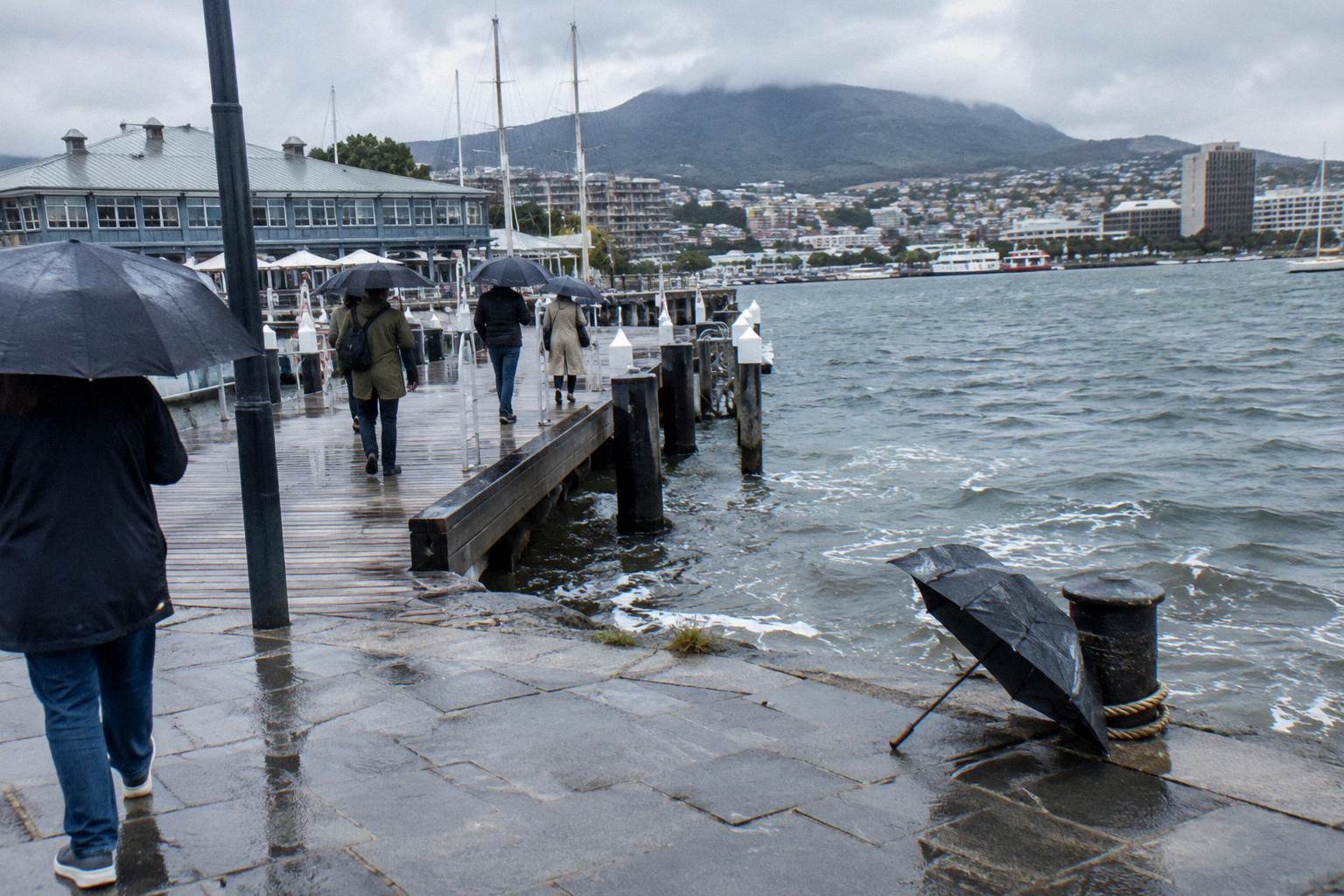
The seasonal shape matters for planning more than any single number. Summer mean maximums sit at 21.8 in January and February, easing to 20.3 in March and 17.5 in April. Winter mean maximums run 12.1 in June and 11.9 in July, with mean minimums down to 4.7 in July. Rain is remarkably even: every month averages between 38.6 mm and 61.8 mm, and October is actually the wettest month by both rainfall and rain days, at 9.4 days of 1 mm or more, wetter on average than any winter month. Hobart is not a place with a rainy season; it is a place with changeable weather in every season.
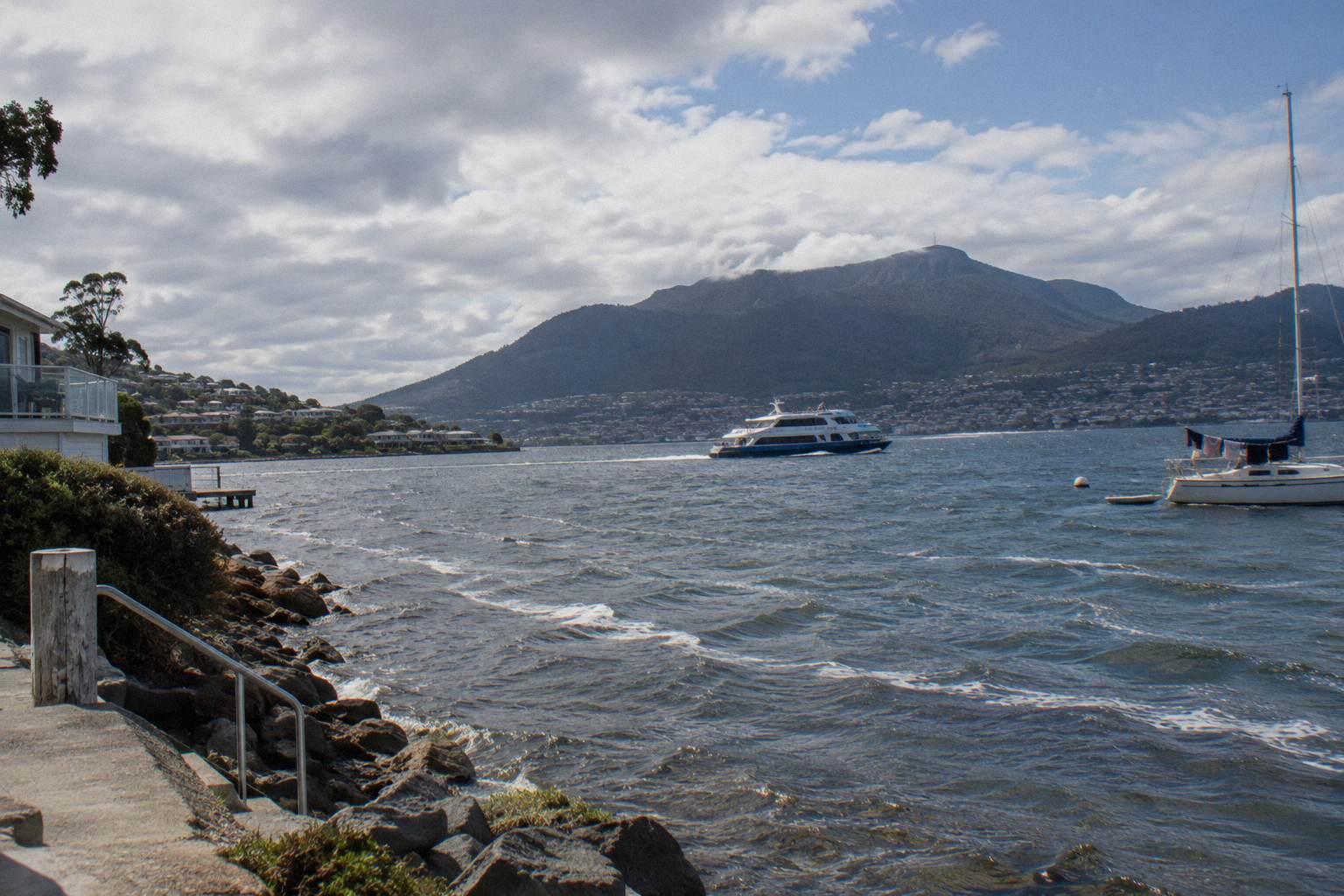
For a reader whose real goal was whales and whose fallback is the best possible day on the water, the useful takeaway is layered clothing in any month, following the operator's own advice to dress warmly out on the water. The Iron Pot cruise adds a morning departure, 10.00am, from December to April, which in practice gives summer visitors a choice of tides and light. The wet-weather question, what actually happens to your booking if rain arrives, is covered separately in the Hobart cruise wet weather post, because the verified answer there is about cancellation terms, not forecasts.
| Month | Mean max (C) | Mean min (C) | Mean rain (mm) | Rain days 1 mm+ |
|---|---|---|---|---|
| January | 21.8 | 12.1 | 46.3 | 5.6 |
| February | 21.8 | 12.1 | 38.6 | 4.9 |
| April | 17.5 | 9.0 | 49.1 | 6.8 |
| July | 11.9 | 4.7 | 51.9 | 7.8 |
| October | 17.1 | 7.9 | 61.8 | 9.4 |
| December | 20.4 | 10.9 | 56.6 | 7.2 |
These are climate averages, not forecasts, and they describe a weather station on land in the city. Conditions in Storm Bay are a different matter, which is exactly why the operator's cold-on-the-water advice exists in summer too. A February day at 21.8 degrees on the waterfront can still feel raw on the open stretch past Betsey Island, and packing for that contrast is the single most reliable thing a visitor can control.
Which Boat Should You Book If Nature Is The Draw?
If open water, seabirds and the 1832 lighthouse are the draw, the Iron Pot cruise is the only covered Hobart departure that delivers all three; if comfort matters more than wildness, the catamaran's wheelchair-friendly main deck and floor-to-ceiling windows make it the calmer choice. That is the honest decision, and it can be made without a single inflated wildlife promise. Both leave from the waterfront, both run roughly 90 minutes to 2.5 hours, and neither claims an animal beyond the Betsey Island birds on the Iron Pot route.
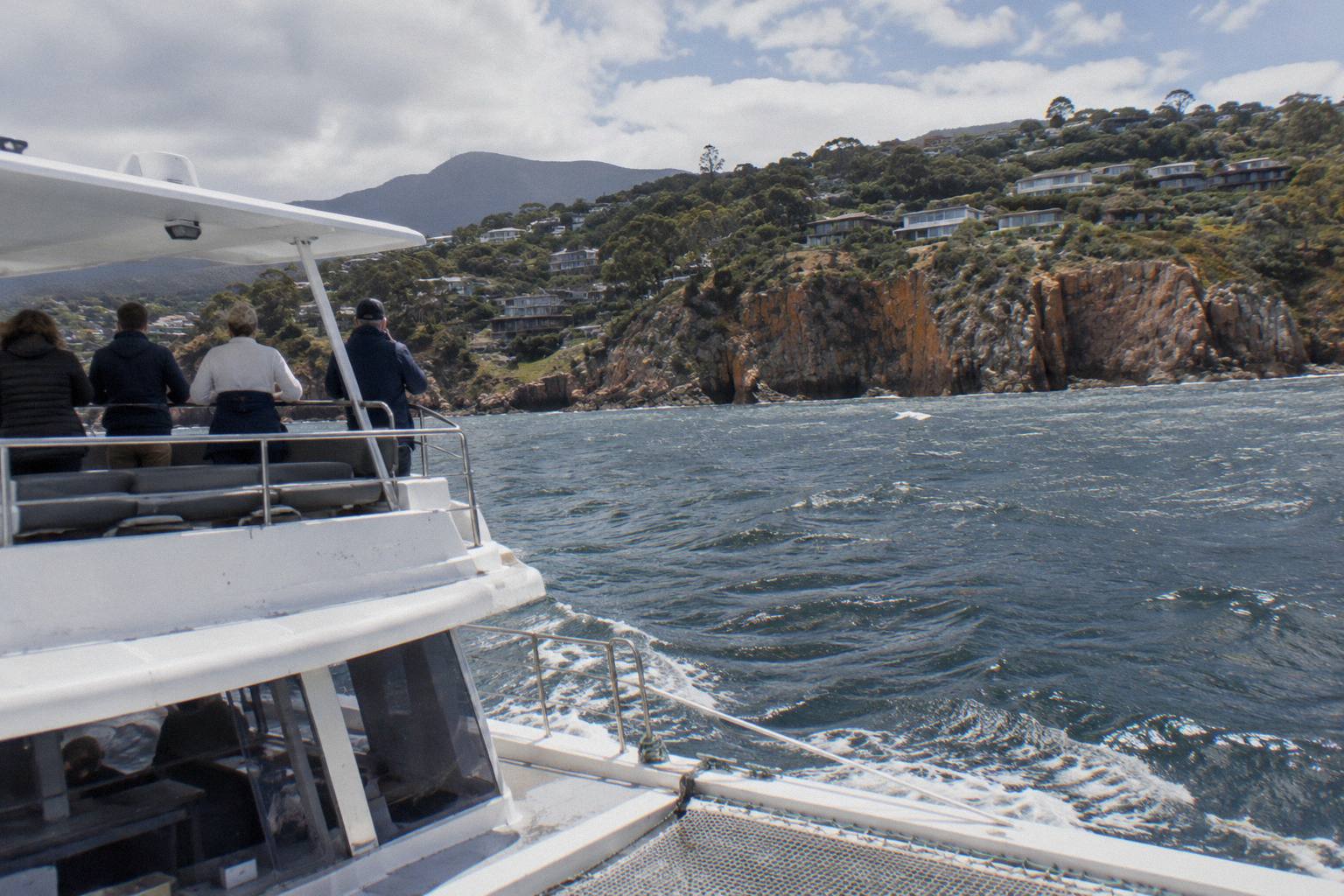
The River Derwent Guided Cruise On A Catamaran, run by Peppermint Bay Cruises from Brooke Street Pier, lasts about 1.5 to 2 hours, and its booking page lists the Shot Tower, Alum Cliffs and Iron Pot Lighthouse on its route. The same booking page describes a catamaran with three outdoor decks, two indoor levels with floor-to-ceiling windows, and a wheelchair-friendly main deck welcoming children, prams and service animals. It reaches toward the lighthouse without the open-ocean leg, which for many families is precisely the point. Refreshments are available but not included in the ticket price. The operator's own site covers its products, including the Woodbridge lunch cruise this site also lists.
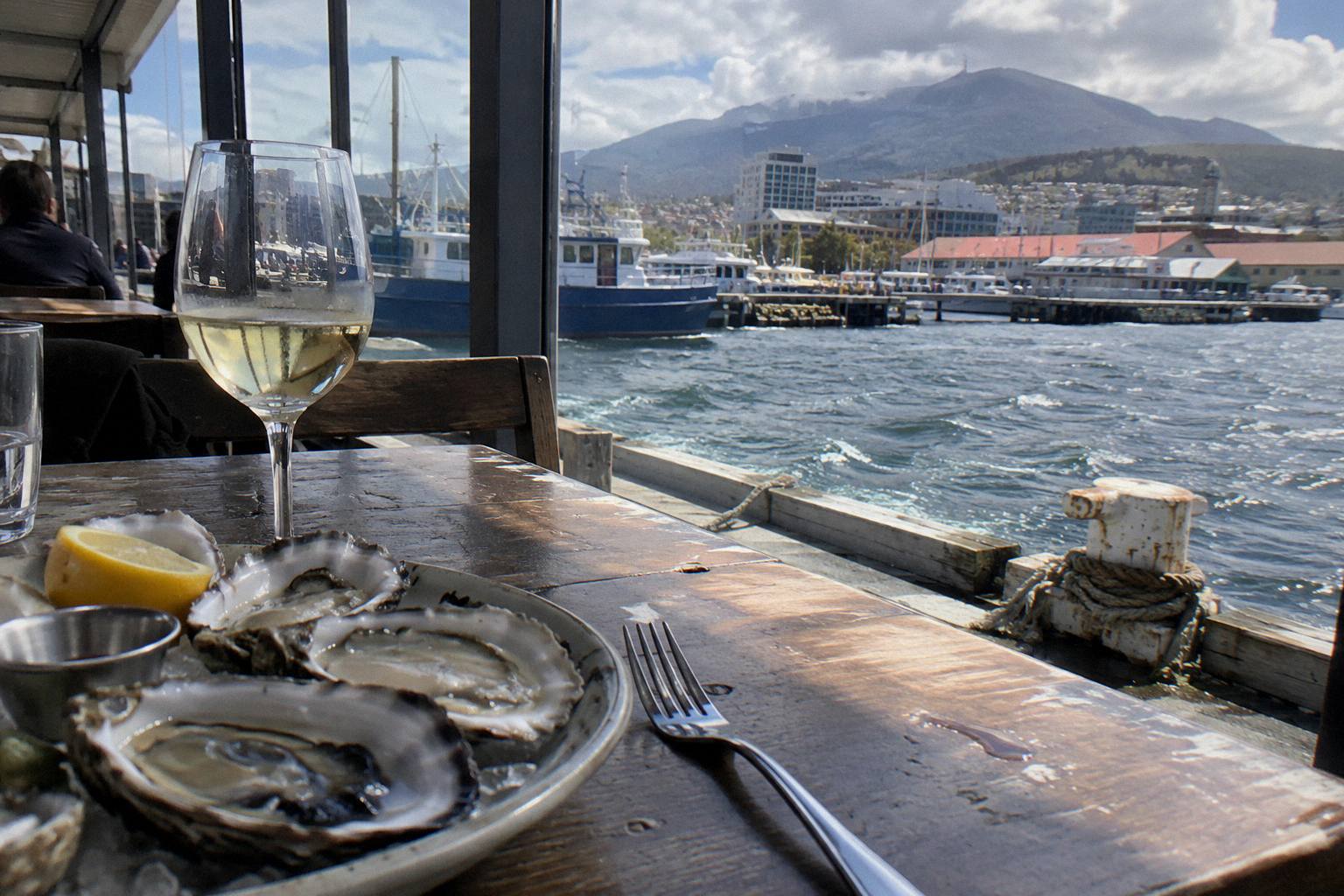
For readers who want the day to be about Tasmanian produce rather than the horizon, the seafood options are strong and well documented. The Ultimate Seafood Cruise on a spacious catamaran, crewed by commercial fishermen and women who own and operate it, runs about 4.5 hours from Elizabeth Street Pier with a degustation of abalone, rock lobster, oysters, mussels, sea urchin, periwinkles and Tasmanian Atlantic salmon. The Historic Lunch Cruise pairs a one-course lunch, steak, fish, chicken or vegetarian, with live captain commentary on a route south to Battery Point and Sandy Bay. And the Peppermint Bay Lunch Cruise, about 5.5 hours from Brooke Street Pier, cruises down the Derwent and the channel to lunch at the Peppermint Bay restaurant in Woodbridge, whose own Sunday Cruise And Lunch, a separate operator product, is priced at A$195 adult and A$125 child.
Whichever boat you choose, the booking terms are consistent across the roster: the covered tours' booking pages say cancel up to 24 hours in advance for a full refund, and the Iron Pot cruise's own page offers free cancellation up to 24 hours ahead, though Pennicott's broader terms apply a 100% charge within 24 hours of departure and 50% within 48 hours. Bookings are essential on the Iron Pot product, and checking availability for start times is the right move for every cruise other than it, since no other departure times are stated. This is where Hobart River Cruises earns its keep as a research site: every figure on this page comes from operator pages and verified records, and the gaps are printed as gaps.
One last framing thought before the practical questions. A whale sighting is a matter of luck anywhere in the world, and any operator that sells it as a certainty is selling something no one can deliver. What a Hobart cruise can promise, and does deliver on the verified record, is a harbour city seen from the water, a river opening into Southern Ocean swell, and a convict-built lighthouse that has watched that mouth since 1832. That is a good day out by any measure, and it is the one you can actually book.
Common Questions About Whales From Hobart Boat Trips
Can You See Whales From A Boat Trip Out Of Hobart?
No. There is no bookable whale-watching cruise among the tours this site covers, and no source states whale sightings on any of them. The covered cruises are Derwent River and harbour trips by day.
What Animals Are Actually Stated On Hobart Cruise Routes?
Only birds: gulls, cormorants and white-bellied sea eagle on and around uninhabited Betsey Island, on the Iron Pot cruise's route to Storm Bay. No other animal is stated for any covered cruise.
Where Can You Go Whale Watching In Tasmania?
The wildlife-focused sea cruises leave from Port Arthur and Adventure Bay on Bruny Island, not from Hobart by boat. Hobart appears only as a coach pick-up on full-day tours. No sighting odds are stated.
Which Hobart Cruise Gets Closest To The Open Ocean?
The 2.5-Hour Iron Pot Lighthouse Cruise, the only covered departure that reaches Storm Bay at the mouth of the Derwent, turning at the lighthouse built by convicts in 1832.
Is There A Whale Season In Hobart?
No whale season dates appear in any verified material for this site, so none are printed. For general planning, Hobart's warmest months by land-station average are January and February.