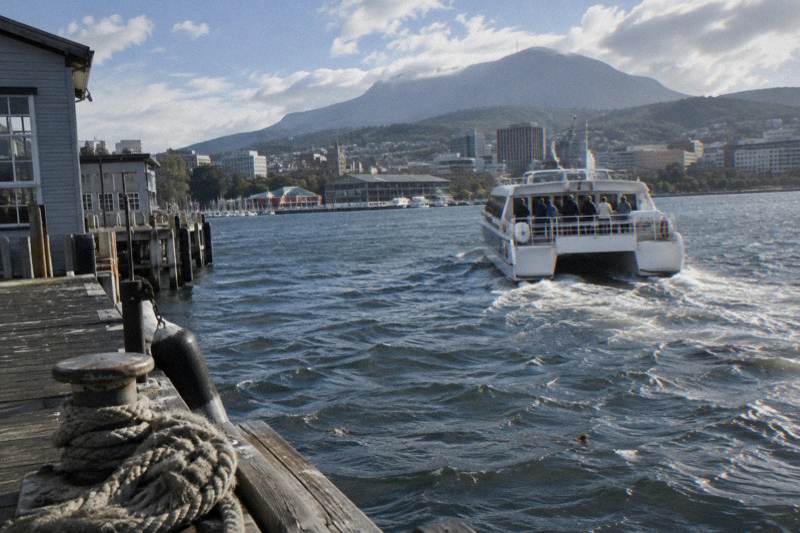
What Should You Wear On A Hobart Boat Trip?
Clothing decision logic for Hobart's Derwent cruises: monthly temperature and rainfall averages, which boats have enclosed cabins, and how to layer for the water.
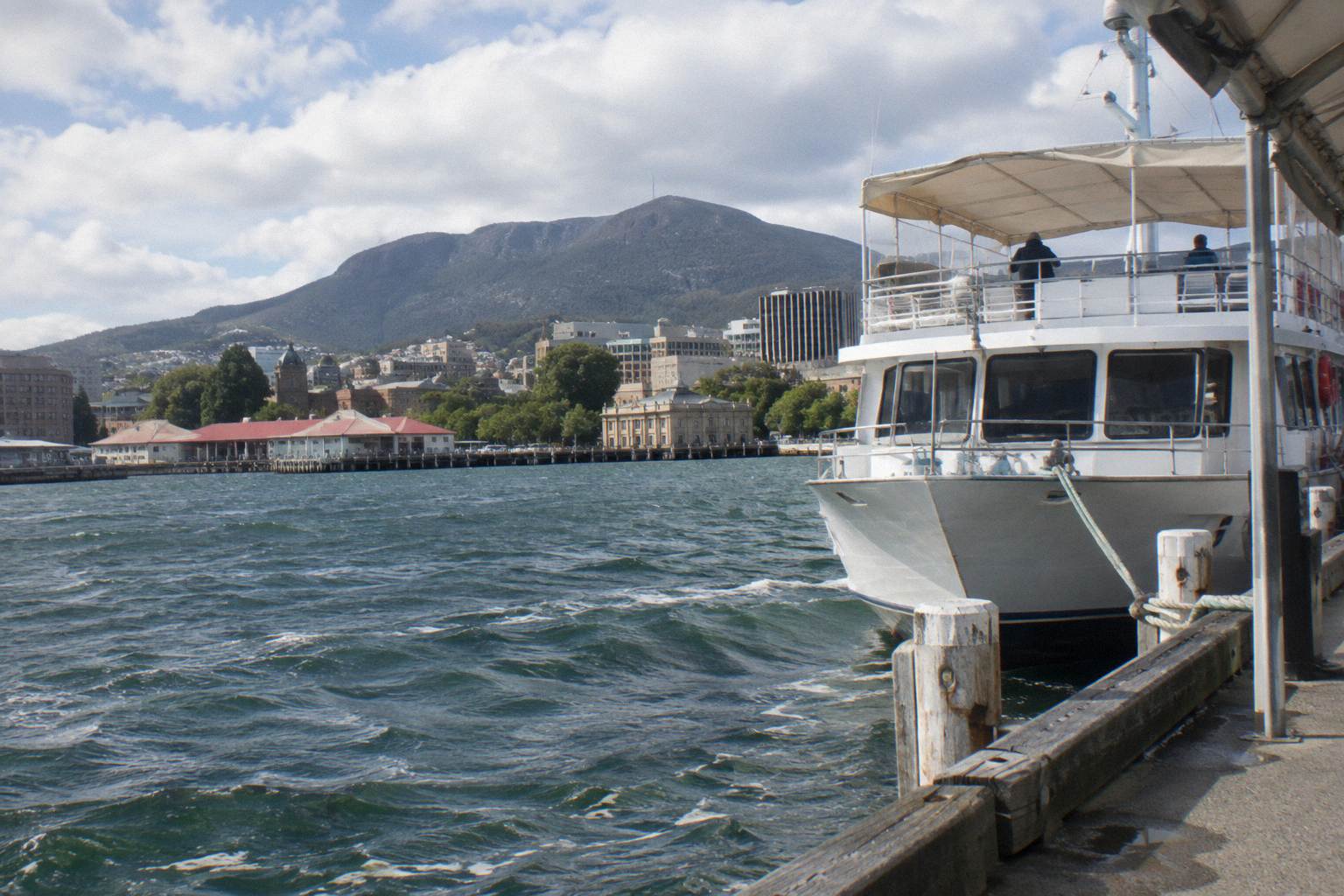
Hobart sits far south, closer to the Southern Ocean than to any warm current, and its boat trips feel it. The Bureau of Meteorology's station at Ellerslie Road has been recording since 1882, and its averages show a city where even summer nights sit near 12 degrees. On the water, the operator of the Iron Pot cruises puts it plainly: it does get cold out there, and children should be dressed warmly. This page turns the monthly averages, the boat layouts and the operators' own advice into practical clothing decisions, without recommending any brand or piece of gear.
Dress in layers you can shed or add on board, with a windproof and showerproof outer layer regardless of season, because Hobart's monthly mean maximums range only from 11.9 °C in July to 21.8 °C in January, and the Derwent's breeze cuts through single-layer clothing even on a fine day. Closed shoes and a warm layer for children matter more than any specific garment.
That is the short answer, and everything on this page expands on it. The reason layers win here is the gap between the city and the water. A 21.8 °C January afternoon in Hobart is genuinely pleasant on land, in a shirt, walking Salamanca Place. The same afternoon on a boat moving down the Derwent at speed, with air funnelled up from Storm Bay, can feel like a different month entirely. The operator's own route text for the Iron Pot cruise mentions swell at Hope Beach arriving straight from the Southern Ocean, which is the clearest signal of what the air out there has travelled over.
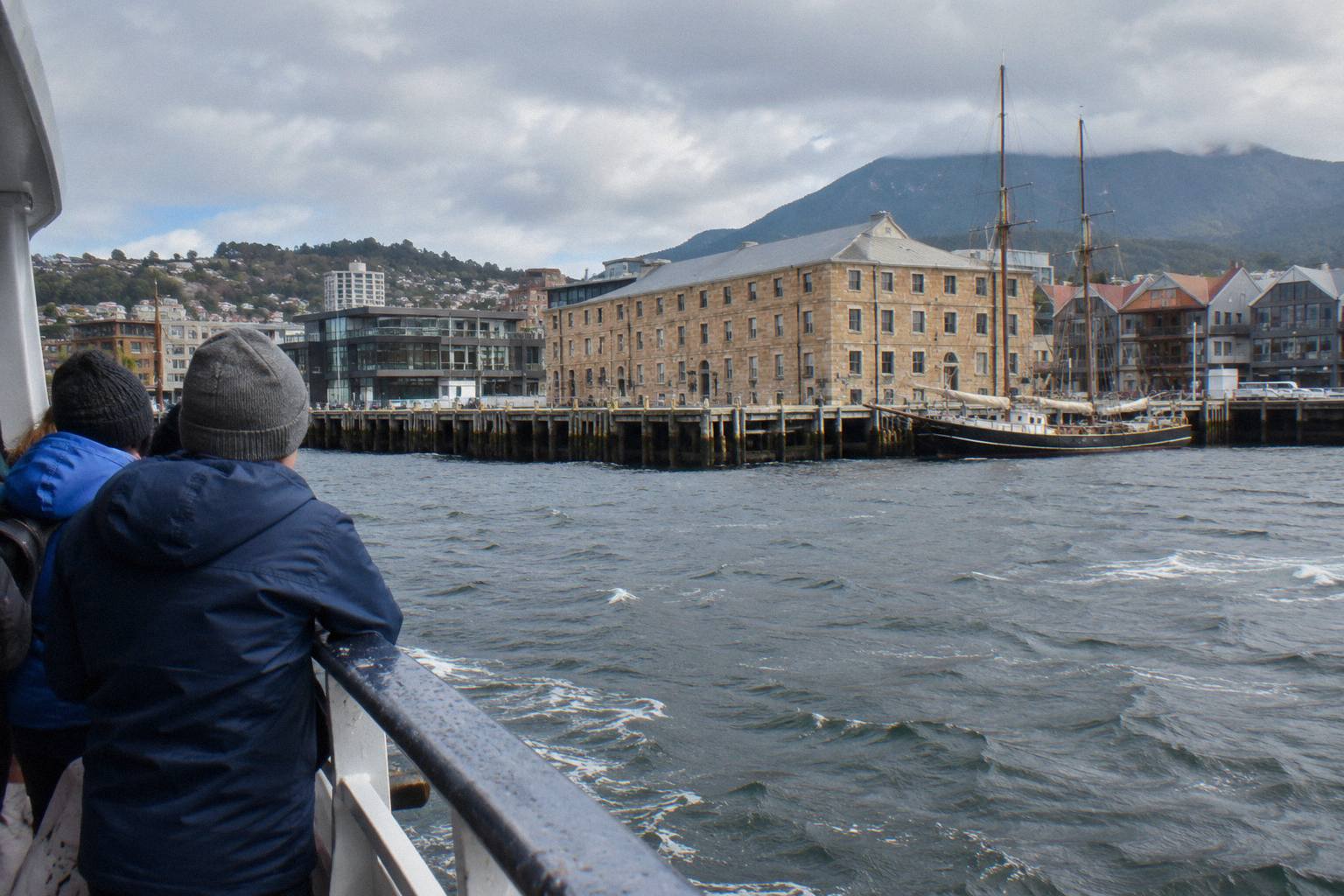
The second reason is the boats themselves. Some of the cruise options from Hobart give you an enclosed cabin you can retreat into, and others are mostly open deck, and that difference changes your clothing more than the forecast does. Pennicott Wilderness Journeys, which runs the 2.5-Hour Iron Pot Lighthouse Cruise, describes its vessels as having an enclosed cabin with leather seats and large awning windows, so you can watch the river in the warm and step outside when you want the wind. The River Derwent Guided Cruise On A Catamaran instead has three outdoor decks plus two indoor levels with floor-to-ceiling windows, which means you will likely spend real time outside. If you are still choosing between boats, the guide to Hobart's Derwent River cruise options breaks the routes down, and if weather might decide your day, what to do when it rains on a Hobart cruise covers the other half of the question.
Which Boats Have Enclosed Cabins And Which Are Open?
The Iron Pot cruise and the Full-Day Gourmet Seafood Cruise both run on Pennicott vessels with an enclosed cabin, leather seats and large awning windows, while the guided catamaran is built around three outdoor decks plus two indoor levels. The yacht sailing tour is, by nature, an open-deck experience, and cabin details for the Historic and Peppermint Bay boats are not stated.
This matters for clothing because an enclosed cabin turns your outer layer from a necessity into an option. On the Iron Pot boats you can sit inside in shirtsleeves, watch Battery Point, Wrest Point Casino and the Shot Tower slide past through the awning windows, and only gear up when the skipper calls something worth seeing on deck. Every boat in that fleet also has an onboard toilet, which is one less thing to plan around on a 2.5-hour trip with children.
The catamaran flips that calculation. Peppermint Bay Cruises runs it from Brooke Street Pier, and its booking page describes two indoor levels with floor-to-ceiling windows alongside those three outdoor decks, so the deck is where the photographs happen and you will go out for them. Windproof layers earn their place on that boat even in February. If you have not picked your departure point yet, the guide to Brooke Street Pier departures explains what leaves from where.
Here is what the verified operator and booking-page details say, boat by boat:
| Boat | Indoor space | Outdoor space | Clothing implication |
|---|---|---|---|
| Iron Pot cruise (Pennicott) | Enclosed cabin, leather seats, awning windows | Deck access, onboard toilet | Lighter base layer, warm layer for deck time |
| Full-Day Gourmet Seafood Cruise (Pennicott) | Custom-built vessel, enclosed cabin, leather seats | Deck access | Same logic, sustained over about 7.5 hours |
| River Derwent Guided Cruise On A Catamaran | Two indoor levels, floor-to-ceiling windows | Three outdoor decks | Windproof outer layer essential year-round |
| Luxury Yacht Scenic Sailing Tour With Snacks | Not stated; a sailing yacht, not a motor cruise | Open sailing deck by nature | Assume exposure; ask the operator |
| Historic Lunch Cruise | Not stated; ask the operator | Not stated | Ask the operator about cabin space |
| Peppermint Bay Lunch Cruise | Not stated; ask the operator | Not stated | Restaurant lunch ashore at Woodbridge, so smart-casual works |
One honest gap: for the Historic cruises and the Peppermint Bay lunch boat, indoor details are simply not stated anywhere verified. Contact the operator before you pack for those. Peppermint Bay's own restaurant at Woodbridge, 3435 Channel Highway, is a proper restaurant lunch, so the clothing question there is as much about the table as the deck; the restaurant's hours are Thursday to Saturday 10am to 8pm and Sunday 10am to 4pm, per the operator's own site.
If you already know the Iron Pot trip is the one for you, the question below is worth settling before you finalise.
Still deciding whether to lock in the enclosed-cabin option?
Iron Pot cruise bookings can be cancelled free up to 24 hours in advance, so a changeable forecast need not hold up your planning.
What Does Hobart Weather Actually Do, Month By Month?
Mean daily maximums run from 21.8 °C in January and February down to 11.9 °C in July, mean minimums from 12.1 °C in the summer months to 4.7 °C in July, and the city averages 86.8 days of rain of 1mm or more per year, fairly evenly spread. These are land-station averages, though, and they say nothing about wind or cold on open water.
The Bureau of Meteorology's Hobart station at Ellerslie Road, number 094029, holds records from 1882, which makes these some of the longest-running climate averages in the country. The Bureau publishes the full climate data for anyone who wants the raw tables. The honest framing, and one this page will keep returning to, is that a city weather station measures the city. It cannot measure the wind chill on a catamaran deck mid-river, and it cannot predict whether a July afternoon will be glassy calm or brisk. Treat the table as a starting point for layers, not a promise about your day.
| Month | Mean max (C) | Mean min (C) | Mean rain (mm) | Rain days of 1mm+ |
|---|---|---|---|---|
| Jan | 21.8 | 12.1 | 46.3 | 5.6 |
| Feb | 21.8 | 12.1 | 38.6 | 4.9 |
| Mar | 20.3 | 11.0 | 44.1 | 6.1 |
| Apr | 17.5 | 9.0 | 49.1 | 6.8 |
| May | 14.6 | 7.0 | 47.6 | 7.0 |
| Jun | 12.1 | 5.2 | 53.6 | 7.2 |
| Jul | 11.9 | 4.7 | 51.9 | 7.8 |
| Aug | 13.2 | 5.3 | 53.8 | 8.4 |
| Sep | 15.2 | 6.5 | 52.8 | 8.5 |
| Oct | 17.1 | 7.9 | 61.8 | 9.4 |
| Nov | 18.8 | 9.4 | 54.0 | 7.9 |
| Dec | 20.4 | 10.9 | 56.6 | 7.2 |
| Year | 17.1 | 8.4 | 610.5 | 86.8 |
Two readings of that table shape clothing choices. First, the swing between the warmest and coldest months is only about ten degrees at the maximum, which is why a windproof layer stays useful in every month, not just winter. Second, October is both the wettest month on average, 61.8mm, and the month with the most rain days, 9.4, so a spring booking deserves the most serious rain planning of the year. Neither fact says anything about your specific day, and no operator here publishes a weather-cancellation policy in the verified material; the only cancellation terms on record are the booking ones, free cancellation up to 24 hours ahead on the Iron Pot cruise and on the other roster tours' booking pages.
How Should You Layer For A Day Cruise?
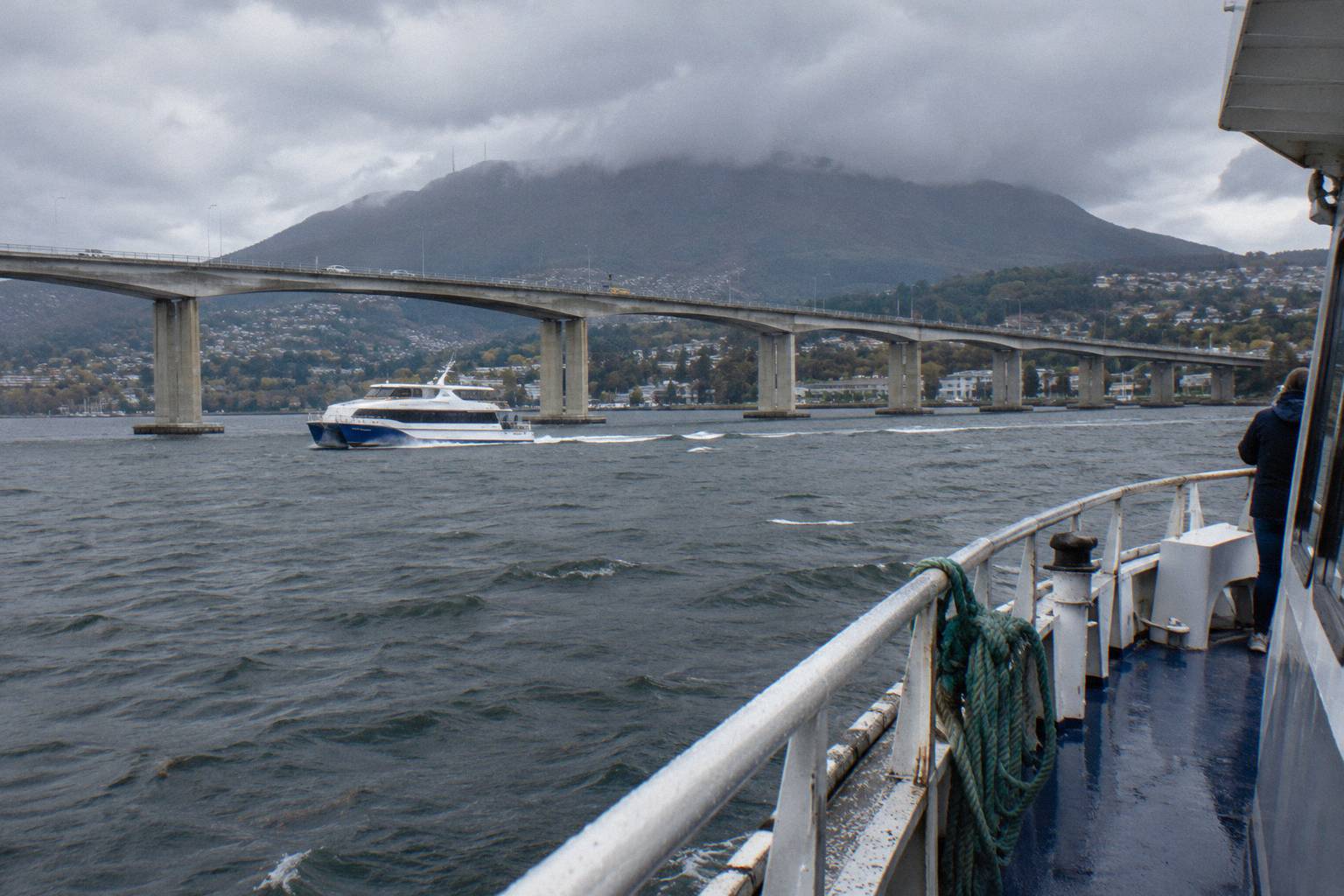
Use three layers: a breathable base, a warm mid layer you can remove in a cabin, and a wind-and-shower-proof shell on top, because the temperature swing between an enclosed cabin and an open deck at speed can exceed anything the monthly averages suggest. Add a warm hat for anything longer than an hour.
The three-layer logic is not gear talk, it is arithmetic. A January mean maximum of 21.8 °C plus moving air can strip a single layer of warmth fast, and a July mean maximum of 11.9 °C on a wind-exposed deck is genuinely cold by anyone's standard. The mid layer is the one that gets used: you shed it inside the cabin, pull it on for the deck, shed it again. That rhythm, on and off with your movement between indoor and outdoor space, is what the layering exists for.
Footwear deserves one honest sentence: flat, closed shoes with grip, because decks can be damp and the movement of the boat is not something thongs negotiate well. Beyond that, no specific shoe, brand or fabric is recommended here, and none needs to be. The decision is shape, not label.
For the longer trips the same logic scales up rather than changing. The Full-Day Gourmet Seafood Cruise runs about 7.5 hours from Constitution Dock, and a day that long crosses both the warmest and coldest air you will meet, plus a long stretch sitting still after lunch when bodies cool down. The Ultimate Seafood Cruise at about 4.5 hours has the same character in miniature. If those long food-focused days appeal, the Hobart lunch cruise guide compares the menus and formats side by side.
What Should Children Wear On Board?
The operator's own instruction for the Iron Pot cruises is to dress children warmly because it does get cold out on the water, and children of all ages are welcome with a child fare covering ages 1 to 16. Practical translation: one more layer on a child than on an adult, a warm hat, and closed shoes.
That advice comes straight from Pennicott, and it is the only operator-stated clothing guidance on record for any boat here, which makes it worth taking seriously even if you sail with a different company. Children run warmer on land and then stand still at the rail for twenty minutes, and they rarely announce the moment they got cold. The extra layer solves the problem before it starts, and the enclosed cabin on the Iron Pot boats gives a warm fallback if the deck loses its appeal. Everything else covered here is indexed on Hobart River Cruises.
The catamaran's booking page says children, prams and service animals are all welcome, with the main deck wheelchair friendly, so families with very young children are expected on that boat too. The same warm-dressing logic applies, and a pram on deck adds its own considerations about blankets and rain coverings, which the booking page's welcome is silent on, so ask the operator directly. For the wider family question beyond clothing, cruising Hobart with kids goes deeper.
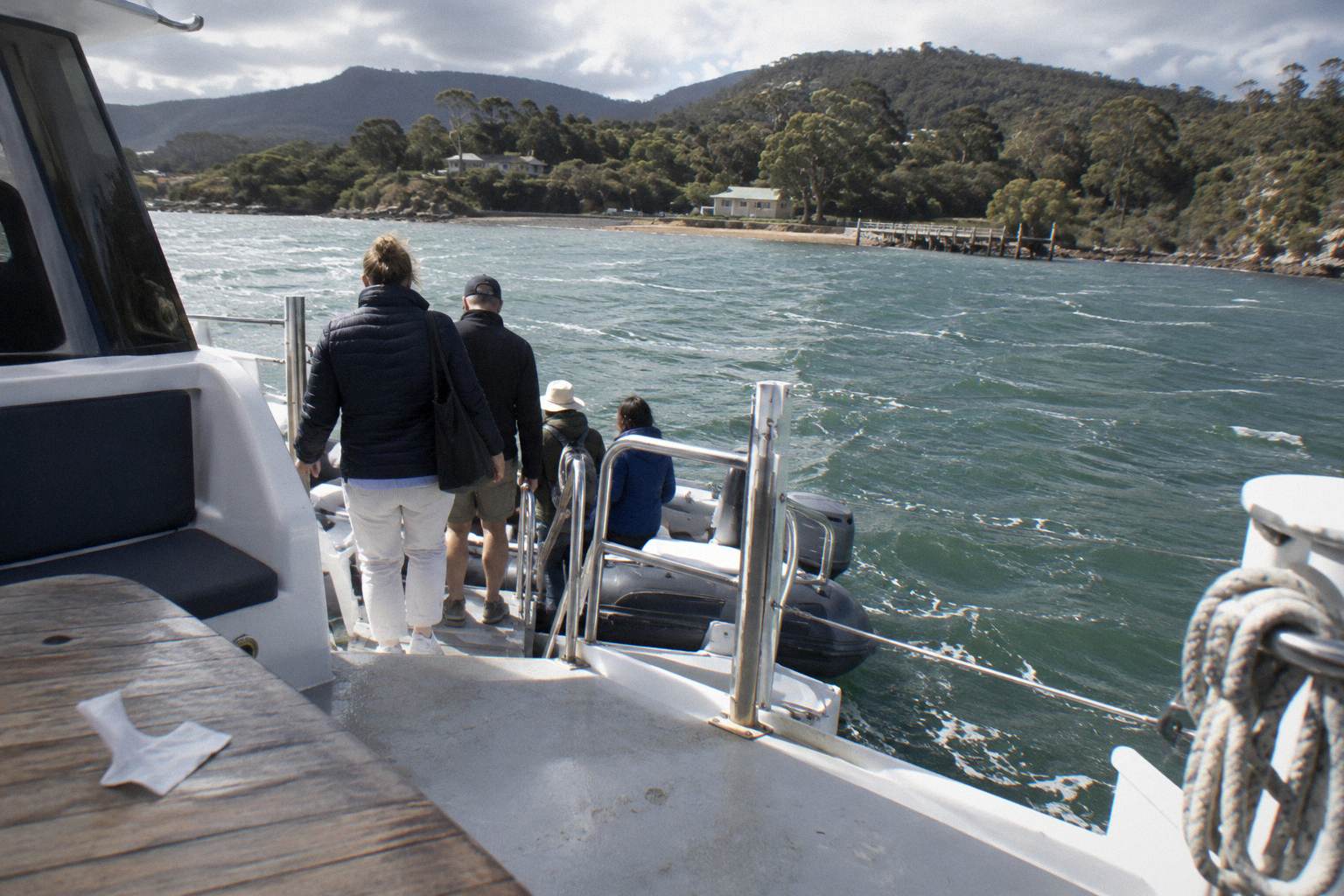
Seasickness rounds out the practical picture, since anxiety about it affects what people bring. The operator states that seasickness incidence on the Iron Pot cruises is low, with Travel Calm Ginger tablets carried on board, and its general advice is not to travel if you are unwell or flu-like. For more on the topic generally, whether Hobart cruises cause seasickness sets out what is and is not stated.
What Should You Wear For A Long Seafood Or Lunch Cruise?
For the 7.5-hour gourmet seafood cruise, dress as for a full day outdoors in the coolest month of your travel window, with a real rain layer, because the trip runs from mid-afternoon sun to evening air. For the Historic Lunch Cruise and Peppermint Bay Lunch Cruise, smart-casual clothes that suit a restaurant table are the better frame.
The distinction is destination. The Pennicott seafood boat is a wilderness-style vessel with an enclosed cabin and leather seats, eating rock lobster, salmon and freshly shucked oysters with local wines, beers, ciders and juice as the booking page lists, but the day belongs to the water and the weather. The Ultimate Seafood Cruise, crewed by the commercial fishermen and women who own and operate it, serves a degustation of abalone, rock lobster, oysters, mussels, sea urchin, periwinkles and Tasmanian Atlantic salmon, with drinks, a fruit and cheese platter and freshly made cake, and it is about 4.5 hours on a spacious catamaran, again a boat day first.
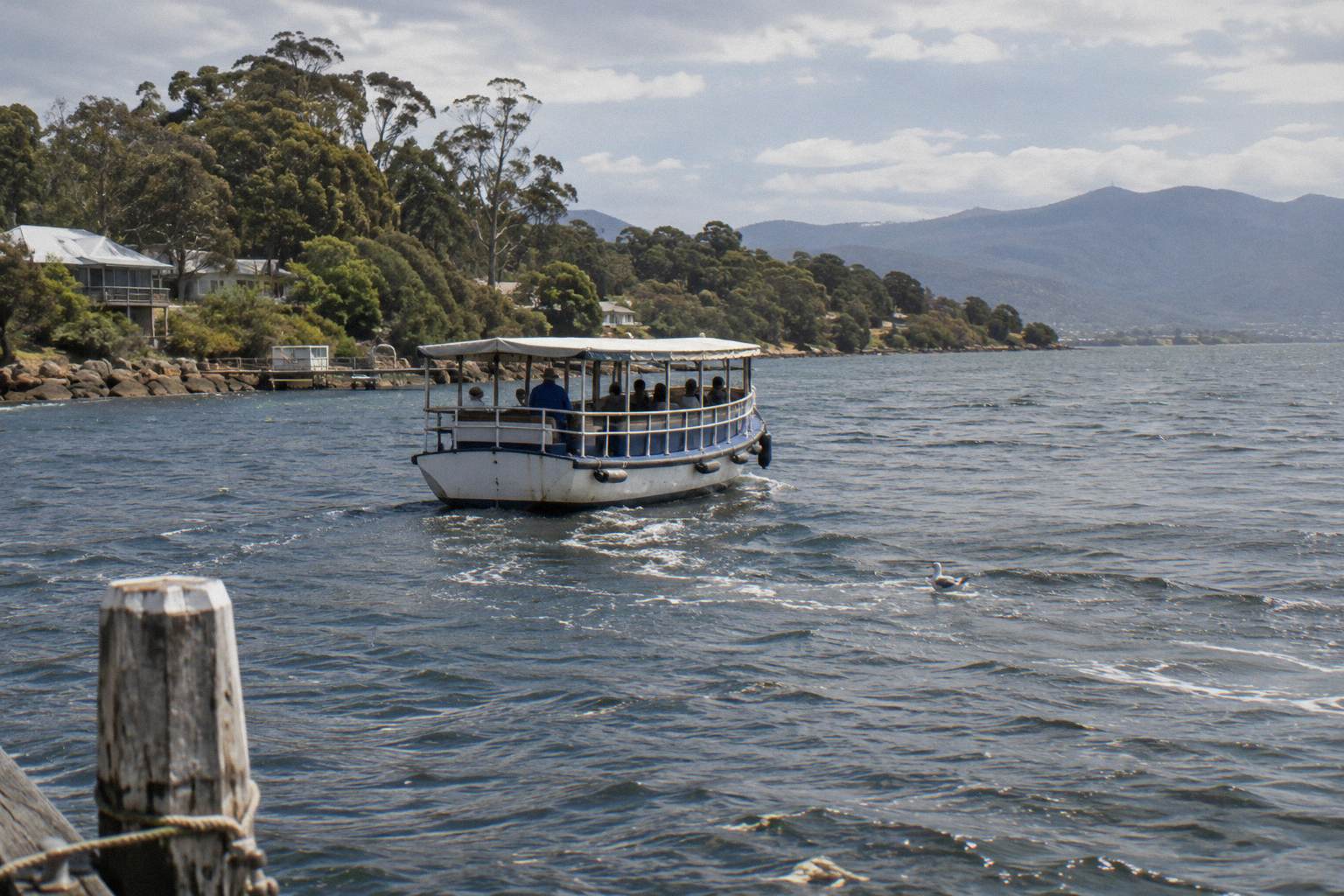
The Peppermint Bay Lunch Cruise is the opposite case: about 5.5 hours total, but with lunch at the Peppermint Bay restaurant in Woodbridge, so there is a table at the end of the cruise down the Derwent and the channel. Comfortable clothes that would not embarrass you in a good restaurant, plus the standard windproof layer for the deck legs of the journey, is the sensible combination. For a deeper look at that itinerary, the Peppermint Bay cruise guide covers the route and the restaurant.
For anyone weighing the sailing option, the Luxury Yacht Scenic Sailing Tour With Snacks from Kings Pier Marina, about 3 hours in a morning or afternoon slot, is a sailing yacht rather than a motor cruise. Sailing means heel, spray and prolonged exposure, so the windproof and warm layers matter more, not less, even in the warmer months.
What Should You Wear In Summer Versus Winter?
In the December to April window, when mean maximums sit between 17.5 °C and 21.8 °C, plan around sun protection plus one warm layer for the deck. From May to September, with mean maximums of 11.9 °C to 15.2 °C and minimums near or below 7 °C, plan around genuine warmth: hat, gloves for a fast open boat, and a proper outer shell.
Summer on the Derwent has a UV dimension the temperature table hides. A 21.8 °C day in this part of the world still carries the sun of an Australian summer, and glare off the water doubles the exposure from the side. Sunscreen before boarding, sunglasses, and something for your head solve it. None of that replaces the warm layer, because the same fine day can turn raw the moment the boat turns into the breeze, and the Iron Pot route heads for Storm Bay, where the operator's own text describes swell straight from the Southern Ocean at Hope Beach.
Winter flips the priority entirely. The means of 11.9 °C in July and 12.1 °C in June describe calm land conditions; standing on a moving deck in those months, the comfort question is heat retention, full stop. The good news is that all the winter-bookable boats here have at least some indoor space on record: the Iron Pot and seafood vessels have their enclosed cabins, and the catamaran has its two indoor levels. The seasonal timing question, including which departures run when, is covered separately in when to take a Hobart boat trip, and the Iron Pot cruise itself is the most weather-flexible of the lot, running daily except Christmas Day with a 10.00am departure from December to April and a 2.00pm departure all year.
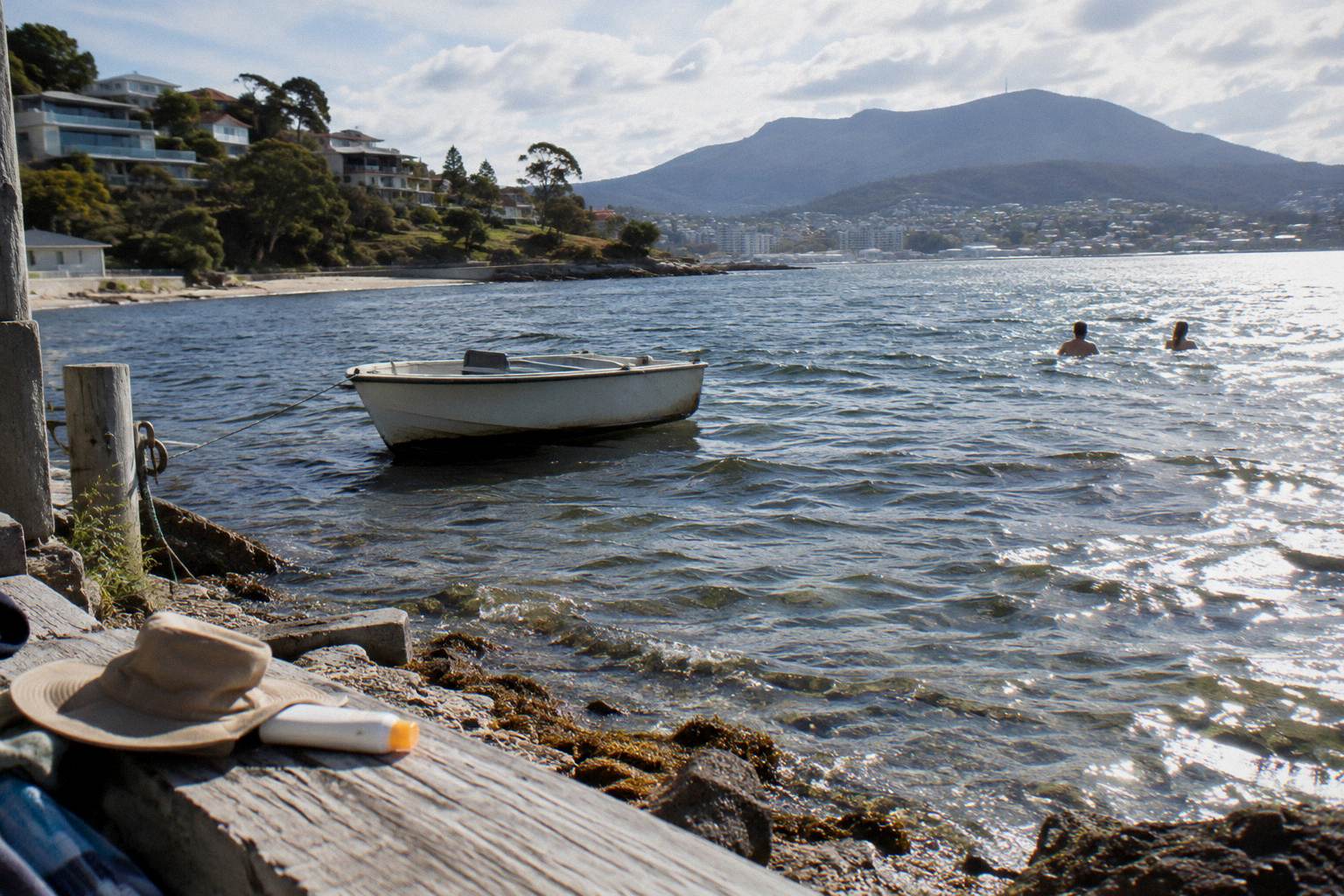
One caution worth repeating from the section above: October tops both rain columns, 61.8mm and 9.4 rain days, and November and December stay wetter than the summer months. Spring and early-summer bookers should treat the rain layer as primary, not optional, whatever the temperature.
Footwear, Bags And Small Extras
Flat closed shoes with grip, a bag that leaves both hands free, and a small set of extras, sunscreen, sunglasses, a hat and a water bottle, cover the practical edge of a Hobart cruise. Nothing on the verified operator pages mandates a dress code, and no gear beyond ordinary clothing is required on any boat in the roster.
The both-hands-free point is understated until the first time a boat surges and you need a rail. A backpack or crossbody bag beats a handbag or a phone-in-hand setup on every boat here, and on the catamaran, where you may climb between three decks and two indoor levels, it matters more. Cameras and phones stay colder and drain faster in low temperatures, so a pocket inside a layer beats an outside pocket in winter.
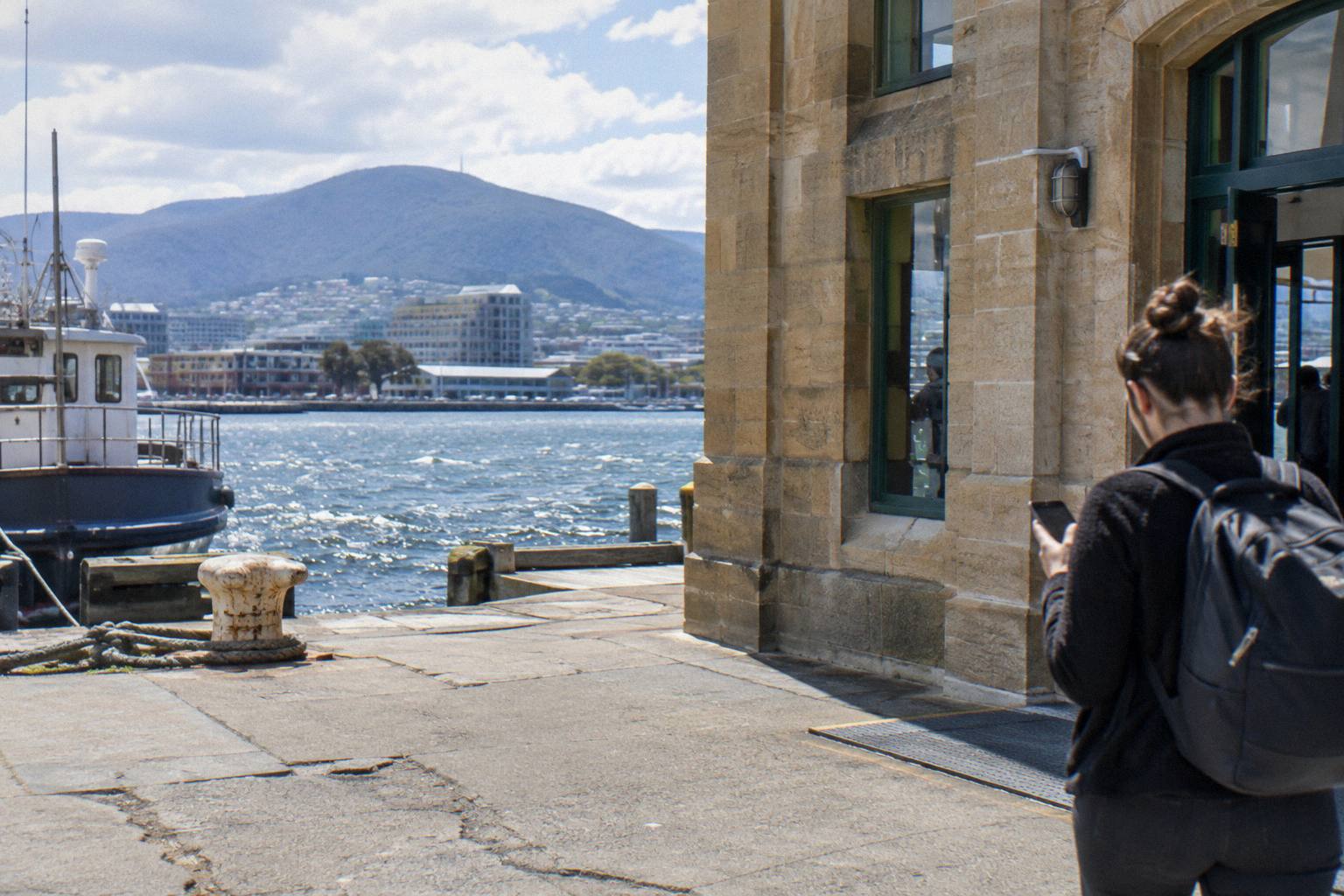
Medication and motion planning fold into the bag question. The operator carries Travel Calm Ginger tablets on the Iron Pot boats, but anything you know you need should travel with you. If you are prone to motion discomfort, the practical clothing-adjacent move is a spot inside the cabin near the centre of the boat rather than the bow, which the enclosed-cabin vessels make easy. The operator's only stated health rule is not to travel if you are unwell or flu-like, which is good advice in any clothing.
| Item | Warm months (Nov-Apr) | Cool months (May-Oct) | Why |
|---|---|---|---|
| Base layer | Breathable shirt | Long sleeves, warm base | Mean max 17.5-21.8 °C vs 11.9-15.2 °C |
| Mid layer | One light warm layer | Proper warm layer, maybe two | Deck temperatures run below land temperatures |
| Outer shell | Windproof, showerproof | Windproof, rain-ready | No boat here publishes a weather-cancellation policy |
| Headwear | Sun hat | Warm hat | UV glare off water vs heat loss |
| Footwear | Closed, flat, grippy | Closed, flat, grippy, warm | Damp decks, boat movement |
Common Questions About What To Wear On A Hobart Boat Trip
What Should You Wear On A Hobart Boat Trip?
Layers you can add and remove, a windproof and showerproof outer shell in every season, closed flat shoes, and one more layer on children than on adults. Hobart's mean maximums only range from 11.9 °C in July to 21.8 °C in January, and conditions on the water run colder than the land averages suggest.
Is It Cold On A Hobart Cruise Even In Summer?
It can be. Mean summer maximums are 21.8 °C, but moving air on an open deck, especially heading toward Storm Bay, strips warmth quickly. The Iron Pot operator's own advice is that it does get cold out on the water, and boats with enclosed cabins let you retreat indoors.
Do Any Hobart Cruise Boats Have Enclosed Cabins?
Yes. Pennicott's Iron Pot cruise and the Full-Day Gourmet Seafood Cruise both run on vessels with an enclosed cabin, leather seats and large awning windows. The River Derwent Guided Cruise On A Catamaran has two indoor levels with floor-to-ceiling windows as well as three outdoor decks.
What Should Children Wear On A Derwent Cruise?
The operator's instruction for the Iron Pot cruises is to dress children warmly, as it does get cold out on the water. Children of all ages are welcome, with the child fare covering ages 1 to 16. A warm hat and closed shoes complete it.
Is There A Dress Code On The Seafood Or Lunch Cruises?
No dress code is stated on any verified booking page. For the restaurant-based options, notably the Peppermint Bay Lunch Cruise with lunch at the Woodbridge restaurant, smart-casual clothes that suit a good table are the sensible frame, with a windproof layer for the deck.
Which Month Is Wettest For A Hobart Cruise?
October, on average, with 61.8mm of rain and 9.4 days of rain of 1mm or more. These are land-station averages from the Bureau of Meteorology's Hobart records dating to 1882, and they say nothing about conditions on the water on any given day.