When To Take A Hobart Boat Trip: Month By Month
Hobart's cruise calendar and its weather run on separate clocks. Here is what the long-term averages actually say, which departure times exist, and how to pick a month.
Short answer
Hobart's warmest mean maximums are 21.8 °C in January and February, and its driest stretch is February with 38.6mm of rain over 4.9 rain days. The Iron Pot cruise departs 10.00am December to April and 2.00pm daily year-round, so summer adds a morning slot and every other month still has a daily afternoon sailing.
When To Take A Hobart Boat Trip
The short answer from the data: Hobart's warmest months by long-term average are January and February, both with a mean maximum of 21.8 °C, and February is also the driest month with 38.6mm of rain across an average of 4.9 rain days. The Iron Pot cruise adds a 10.00am departure from December to April on top of its 2.00pm year-round sailing, so those months buy a choice of time slots rather than more boats.
Every other month of the year still has bookable departures. The Iron Pot cruise runs daily except Christmas Day, and the rest of Hobart's cruise roster, from a one-hour Morning River Cruise to a 7.5-hour Full-Day Gourmet Seafood Cruise, operates off the same waterfront with start times set by each booking page. Timing a visit around weather and sea conditions comes before picking a cruise date, because the weather shapes what you wear and how long you want to stay on the water, not whether a boat leaves.
One framing note that matters for everything below. The only weather figures allowed on this page are the Bureau of Meteorology's long-term averages from the Hobart station at Ellerslie Road, station 094029, which has kept records since 1882. Those are land-station averages measured in the city. They say nothing firm about sea state, wind or swell on the Derwent, and this page will not pretend otherwise. What they do tell you, with more than a century of consistent records behind them, is which months run warm, which run wet and how much the difference is.
The other half of timing is the calendar of the boats themselves, and that part is simpler than most visitors expect. Hobart is not a seasonal cruise port in the way tropical destinations are. There is no closed season and no monsoon window to dodge. There are months with an extra morning departure, months with cooler averages, and a booking-and-cancellation structure that makes planning ahead cheap to reverse. The rest of this page works through those pieces in order: the averages month by month, the departure times that actually exist, how to match a cruise style to the season you get, what to wear, and when to book.
What The Hobart Averages Say Month By Month
The Bureau of Meteorology's Hobart averages put January and February joint warmest at a 21.8 °C mean maximum, July coldest at 11.9 °C, February driest at 38.6mm, and October wettest at 61.8mm spread over 9.4 rain days. The full table below is the whole picture, and every figure in it is a land-based average from a station recording since 1882, not a forecast and not a sea condition.
Here is the complete monthly table from the Bureau of Meteorology's Hobart station, the single source for every weather number on this page. Read the rain days column, days with 1mm or more, as a rough frequency signal rather than a schedule: 5.6 days in January still means more than three weeks of the month outside that definition.
| Month | Mean max (C) | Mean min (C) | Mean rain (mm) | Rain days (1mm+) |
|---|---|---|---|---|
| January | 21.8 | 12.1 | 46.3 | 5.6 |
| February | 21.8 | 12.1 | 38.6 | 4.9 |
| March | 20.3 | 11.0 | 44.1 | 6.1 |
| April | 17.5 | 9.0 | 49.1 | 6.8 |
| May | 14.6 | 7.0 | 47.6 | 7.0 |
| June | 12.1 | 5.2 | 53.6 | 7.2 |
| July | 11.9 | 4.7 | 51.9 | 7.8 |
| August | 13.2 | 5.3 | 53.8 | 8.4 |
| September | 15.2 | 6.5 | 52.8 | 8.5 |
| October | 17.1 | 7.9 | 61.8 | 9.4 |
| November | 18.8 | 9.4 | 54.0 | 7.9 |
| December | 20.4 | 10.9 | 56.6 | 7.2 |
The pattern worth noticing is how gently Hobart moves. The swing from the warmest mean maximum to the coldest is under ten degrees, and the mean minimum never falls below 4.7 °C. This is a maritime climate moderated by the water on every side, which is also why these land figures refuse to describe the water itself: the same moderation that flattens the temperature curve says nothing about the swell the operator's own route text describes at Hope Beach, which comes, in its words, straight from the Southern Ocean.
If you are choosing a month purely on these averages, February is the statistical standout: warmest mean maximum, lowest rainfall and fewest rain days in a single line. March is nearly as warm a degree and a half cooler, with only a little more rain. October is the month the averages argue against most gently, not because it is cold at 17.1 °C mean maximum but because it combines the year's highest rainfall with its most frequent rain days. The averages for the year as a whole sit at 17.1 °C mean maximum, 8.4 °C mean minimum and 610.5mm of rain over 86.8 qualifying days.
Three cruises cover the spread of what a Hobart boat trip can be, from a short lighthouse run to a full day of seafood:
The deeper question the table cannot answer is what a given month feels like on deck, and that depends on the boat. The Iron Pot cruise's vessels have an enclosed cabin with leather seats and large awning windows, which changes the arithmetic of a July sailing considerably compared with an open-deck boat. The operator's own advice to dress children warmly, "as it does get cold out on the water", applies in every month, not just winter, and it is the single most useful piece of seasonal guidance any Hobart operator publishes.
Which Departure Times Actually Exist
The 2.5-Hour Iron Pot Lighthouse Cruise departs at 10.00am from December to April and at 2.00pm daily all year, operating every day except Christmas Day. Peppermint Bay's Sunday Cruise And Lunch leaves Brooke Street Pier at 10:30am on select Sundays. For every other cruise on the Hobart roster, departure times are not stated: check availability on the live listing for start times.
That is the complete list of printed departure times that exist, and it is worth being blunt about why the list is so short. Operators load their calendars dynamically, and times shift with demand and season. The honest answer for the Morning River Cruise, the Historic Lunch Cruise, the catamaran, the sailing yacht, the seafood boats and the Peppermint Bay Lunch Cruise is that the booking page is the schedule. Anyone who tells you a fixed year-round time for those boats is guessing.
The Iron Pot schedule is the exception because the operator publishes it plainly, and it encodes a seasonal signal worth reading. The 10.00am slot exists only December to April, the months whose mean maximums run 17.5 °C to 21.8 °C. The 2.00pm sailing runs every day of the year. So a summer visitor gets two time-of-day choices for the same cruise, and a winter visitor still gets one, with bookings essential either way.
Duration is the other axis of timing that people under-plan. The roster spans an enormous range, and matching duration to season is a real decision: a 7.5-hour day on the water in February's averages is a different proposition from the same hours in July's.
| Cruise | Duration | Departure point | Time stated |
|---|---|---|---|
| Morning River Cruise | about 1 hour | Murray Street Pier | check the listing |
| River Derwent Guided Cruise On A Catamaran | about 1.5 to 2 hours | Brooke Street Pier | check the listing |
| Historic Lunch Cruise | about 1.5 hours | Murray Street Pier | check the listing |
| Luxury Yacht Scenic Sailing Tour With Snacks | about 3 hours | Kings Pier Marina | morning or afternoon |
| Ultimate Seafood Cruise On A Spacious Catamaran | about 4.5 hours | Elizabeth Street Pier | check the listing |
| Peppermint Bay Lunch Cruise | about 5.5 hours | Brooke Street Pier | check the listing |
| Full-Day Gourmet Seafood Cruise | about 7.5 hours | Constitution Dock | check the listing |
| 2.5-Hour Iron Pot Lighthouse Cruise | about 2.5 hours | Franklin Wharf | 10.00am Dec-Apr, 2.00pm daily |
One duration quirk deserves a flag. The River Derwent Guided Cruise On A Catamaran appears as 90 minutes on the operator's homepage and 1 hour 45 minutes on a booking page, so this site prints only "about 1.5 to 2 hours" rather than either figure alone. It is a small discrepancy, but it is exactly the kind that ruins a tight connection if you plan the rest of your day around a single number.
For the months either side of the summer peak, the sailing yacht offers a format that suits shoulder-season conditions well: about 3 hours, morning or afternoon, with snacks and non-alcoholic drinks included, from Kings Pier Marina at 2 Franklin Wharf. Being able to choose a morning or afternoon slot lets you dodge the statistical rain-day pattern of whichever half of the day looks better, and a sailing yacht is a different experience from a motor cruise entirely.
Peppermint Bay's own Sunday product also runs on a published clock: select Sundays, 10:30am from Brooke Street Pier, a leisurely 90-minute cruise down the D'Entrecasteaux Channel to Woodbridge, then lunch, with the 2026/27 season dates live from Sunday 8 November. That Sunday schedule, per the operator's own page, is A$195 adult and A$125 child. It is a separate product from the roster's Peppermint Bay Lunch Cruise, a 5.5-hour booking that should not be described as Sunday-only or given that price.
How To Match A Cruise To The Season You Get
Use the warm months, January to March at 20.3 °C to 21.8 °C mean maximum, for long days on the water: the 7.5-hour Full-Day Gourmet Seafood Cruise and the 5.5-hour Peppermint Bay Lunch Cruise. Use cooler months for short sails and lunch runs. October's averages, 61.8mm of rain over 9.4 rain days, argue for a shorter booking with an indoor deck.
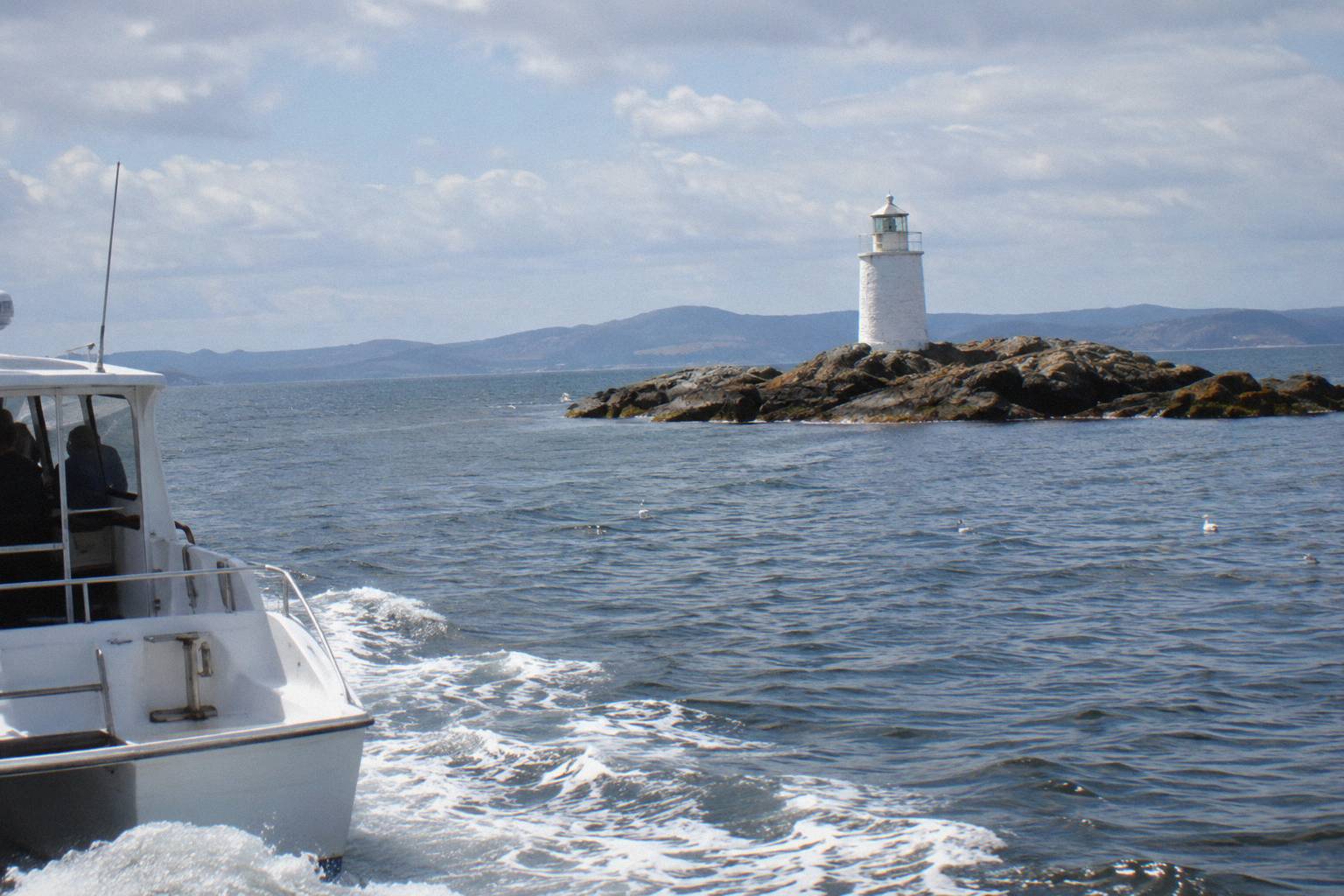
The logic is simple once the averages and the roster sit side by side. Long cruises spend long stretches in open water: the seafood cruise is 7.5 hours and the Peppermint Bay run reaches down the channel to Woodbridge, so they benefit most from the months where the mean maximum tops 20 °C and rain days sit under 6.1. Short cruises work dependably in any month, and Hobart's mild winter averages, 11.9 °C to 13.2 °C mean maximum in July and August, are conditions a two-hour enclosed-cabin cruise handles comfortably. The full index of guides sits on Hobart River Cruises.
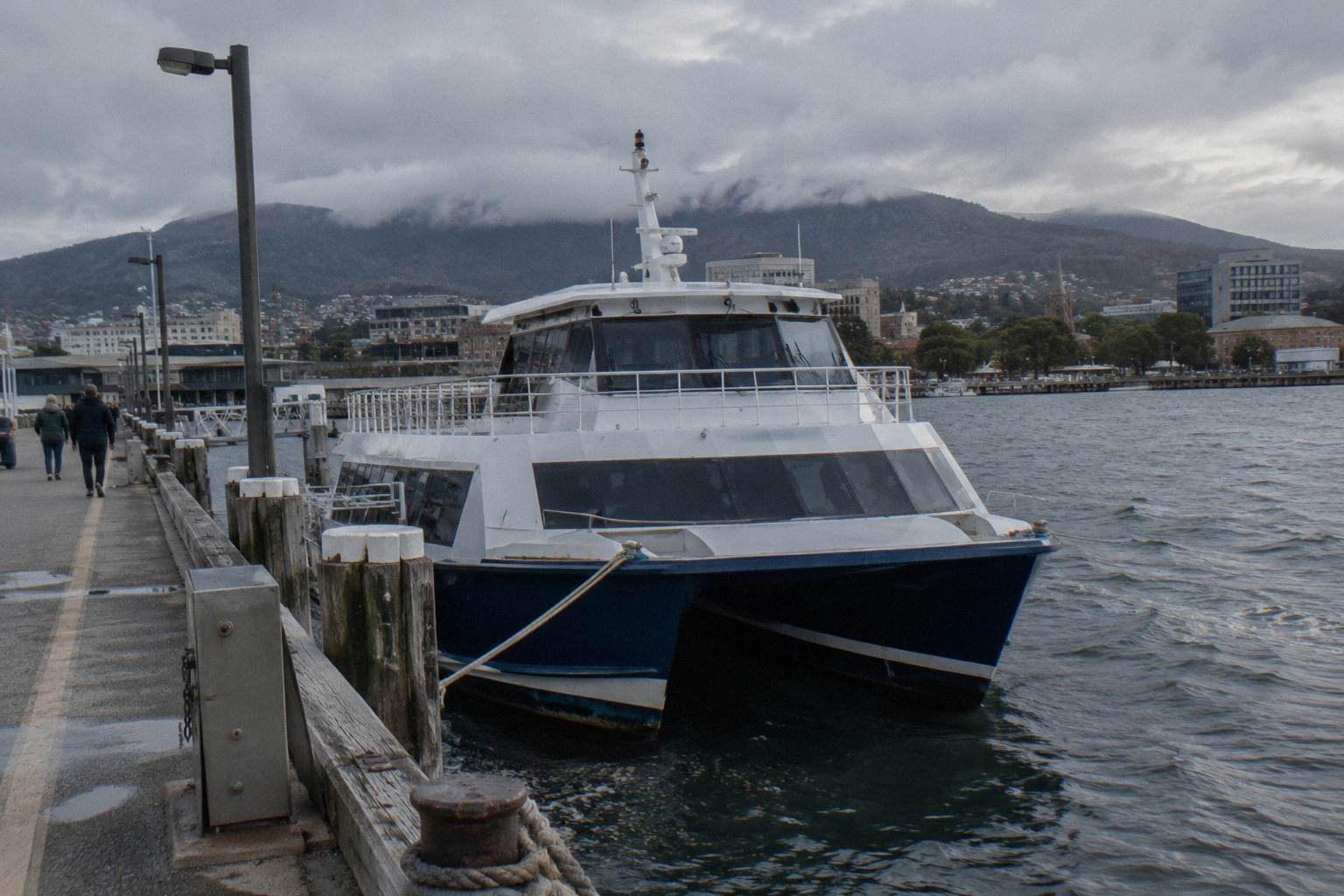
The catamaran is a strong example of a boat built for the shoulder months. Its booking page describes two indoor levels with floor-to-ceiling windows and three outdoor decks, plus a main deck the booking page calls wheelchair friendly, welcoming children, prams and service animals. In April or September, when the mean maximum sits at 17.5 °C and 15.2 °C respectively, you can watch the Shot Tower, Alum Cliffs and the Iron Pot Lighthouse pass by from indoors and take the outside deck in bursts. Those attributes belong to that boat's booking page alone and are not extended to any other cruise here.
Grouping the months makes the decision faster than reading twelve rows. This table bands the year into planning seasons using the Bureau's own numbers, with the cruise style the averages favour.
| Months | Mean max range | Rain days range | What the averages favour |
|---|---|---|---|
| Jan-Mar | 20.3-21.8 °C | 4.9-6.1 | Full-day seafood cruise, Peppermint Bay lunch, any format |
| Apr-May | 14.6-17.5 °C | 6.8-7.0 | Half-day cruises, catamaran with indoor levels, lunch runs |
| Jun-Aug | 11.9-13.2 °C | 7.2-8.4 | Short sails, enclosed-cabin lighthouse cruise, yacht morning slot |
| Sep-Oct | 15.2-17.1 °C | 8.5-9.4 | Shorter bookings, flexible cancellation, indoor seating |
| Nov-Dec | 18.8-20.4 °C | 7.2-7.9 | The 10.00am Iron Pot slot returns, seafood and lunch boats |
There is a seasonal note on the seafood side too. The Full-Day Gourmet Seafood Cruise, 7.5 hours from Constitution Dock, carries a 5.0 rating across 20 reviews and serves rock lobster, salmon and freshly shucked oysters with local wines, beers, ciders and juice, as the booking page lists. Its price is not stated here: check the booking page. A day built around cold-shellfish platters and long daylight reads naturally against the January-to-March band, though the enclosed cabin and leather seats mean the boat itself is not fair-weather only.
The mid-length option is the Ultimate Seafood Cruise, about 4.5 hours from Elizabeth Street Pier, crewed by commercial fishermen and women who own and operate the cruise. Its degustation, abalone, rock lobster, oysters, mussels, sea urchin, periwinkles and Tasmanian Atlantic salmon with drinks, a cheese platter and cake, suits the April-May band where the averages are cool but the day is still long enough for four and a half hours on the water.
Two scope notes, stated once each, because searches for them arrive on timing pages. There is no bookable sunset cruise, whale-watching cruise or New Year's Eve cruise among the tours covered on this site, and this page will not imply one. And there is no Hobart-departing boat to Tasman Island or Bruny Island: those cruises leave from Port Arthur and Adventure Bay respectively, with Hobart appearing only as a coach pick-up on the full-day tours.
What The Averages Mean For Clothing And Comfort
Layer for every month: Hobart's mean minimum is 12.1 °C even in high summer, and the operator's own advice for the Iron Pot cruise is to dress children warmly because "it does get cold out on the water", regardless of the day's land temperature. The averages are measured on shore, the boats spend hours on the Derwent and Storm Bay, and nothing in the Bureau's table describes wind, swell or sea state.
This is where the land-versus-water distinction stops being a disclaimer and becomes practical advice. A 21.8 °C mean maximum in February describes the city. The Iron Pot route runs down the Derwent past Battery Point, Wrest Point Casino and the Shot Tower, out toward Storm Bay, past uninhabited Betsey Island with its gulls, cormorants and white-bellied sea eagle, and close past Hope Beach, where the operator's route text describes swell arriving straight from the Southern Ocean and the beach being a favourite of local surfers. None of that is characterised by a temperature reading taken at Ellerslie Road.
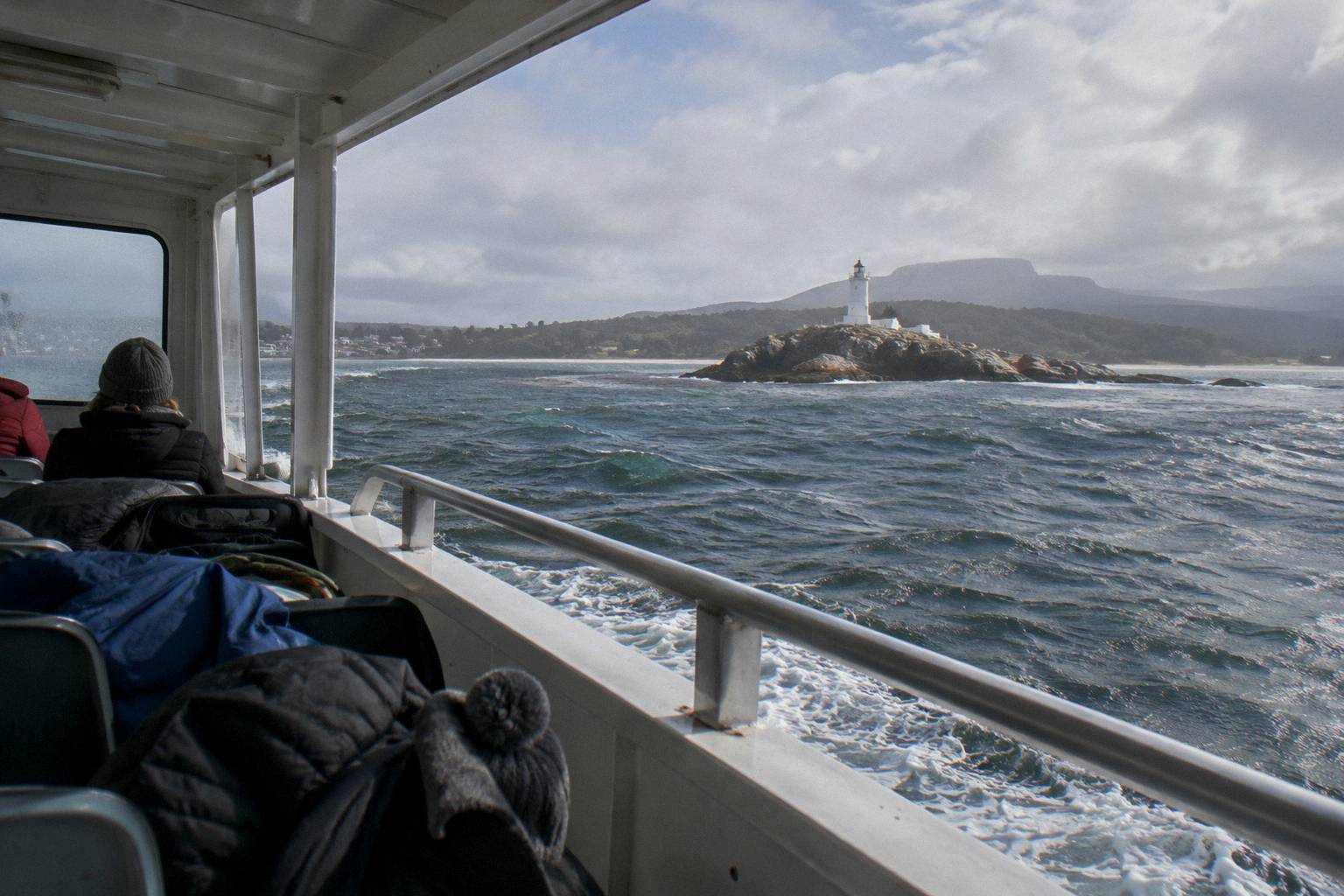
The practical reading, month by month, is that the mean minimum column matters as much as the maximum. February's 12.1 °C overnight average is the warmest the year offers, and August's is 5.3 °C. A 2.5-hour cruise that starts in a warm afternoon can finish in air closer to the minimum than the maximum, especially on the water. Warm layers, a windproof outer and closed shoes earn their place in every month, and the enclosed cabin on the Iron Pot vessels exists precisely for this reality.
If you want a fuller treatment of kit, the site's guide on what to wear on a Hobart cruise covers clothing in depth, and the piece on Hobart cruises in wet weather handles the October-type question directly. Neither changes the averages above; both turn them into packing lists.
On seasickness, the only stated facts are Pennicott's: incidence is low per the operator, Travel Calm Ginger tablets are carried on board, and the advice is not to travel if unwell or flu-like. No seasickness data exists for any other boat, and no cruise's cancellation-for-weather policy is stated anywhere in the operator terms, only the booking cancellation terms covered below. Planning around the numbers you have, rather than ones you hope for, is the whole method of this page.
When To Book And What The Cancellation Terms Say
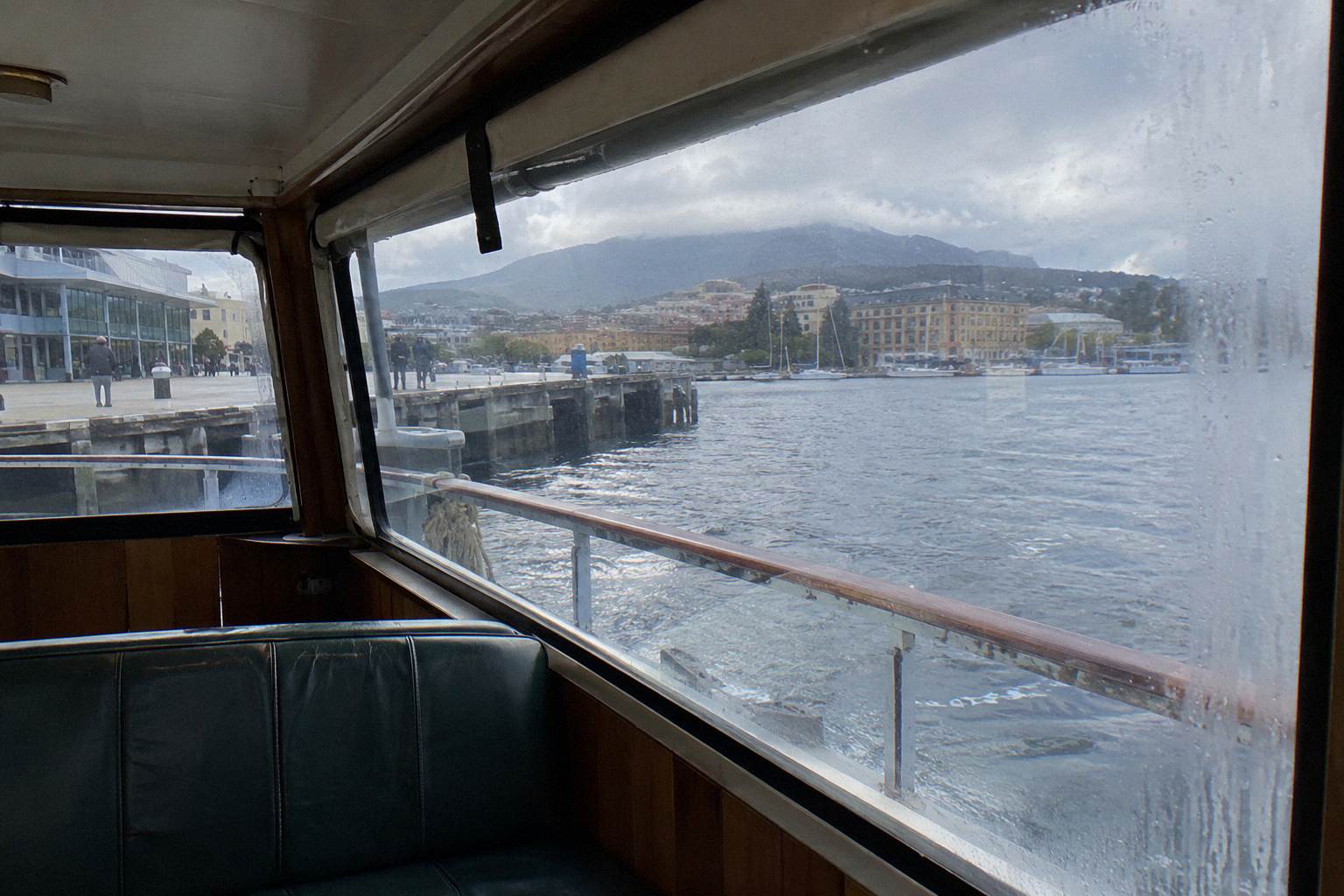
Book ahead for the months you want, because the Iron Pot cruise calls bookings essential, and rely on the 24-hour rules: its booking page offers free cancellation up to 24 hours in advance, Pennicott's operator terms charge 100% within 24 hours of departure and 50% within 48 hours, and the booking pages for the rest of the roster say cancel up to 24 hours ahead for a full refund. How far ahead any cruise sells out is not stated.
That structure makes early booking close to riskless for the traveller, which is the key timing insight. The averages pick your month, the roster picks your cruise, and the cancellation terms mean a booking made weeks ahead can be undone the day before without cost on every cruise covered here. The one nuance is Pennicott's two-step charge, 50% inside 48 hours, 100% inside 24, which tightens the window in the final two days; and a booking made through a third-party retailer carries that retailer's own policy instead.
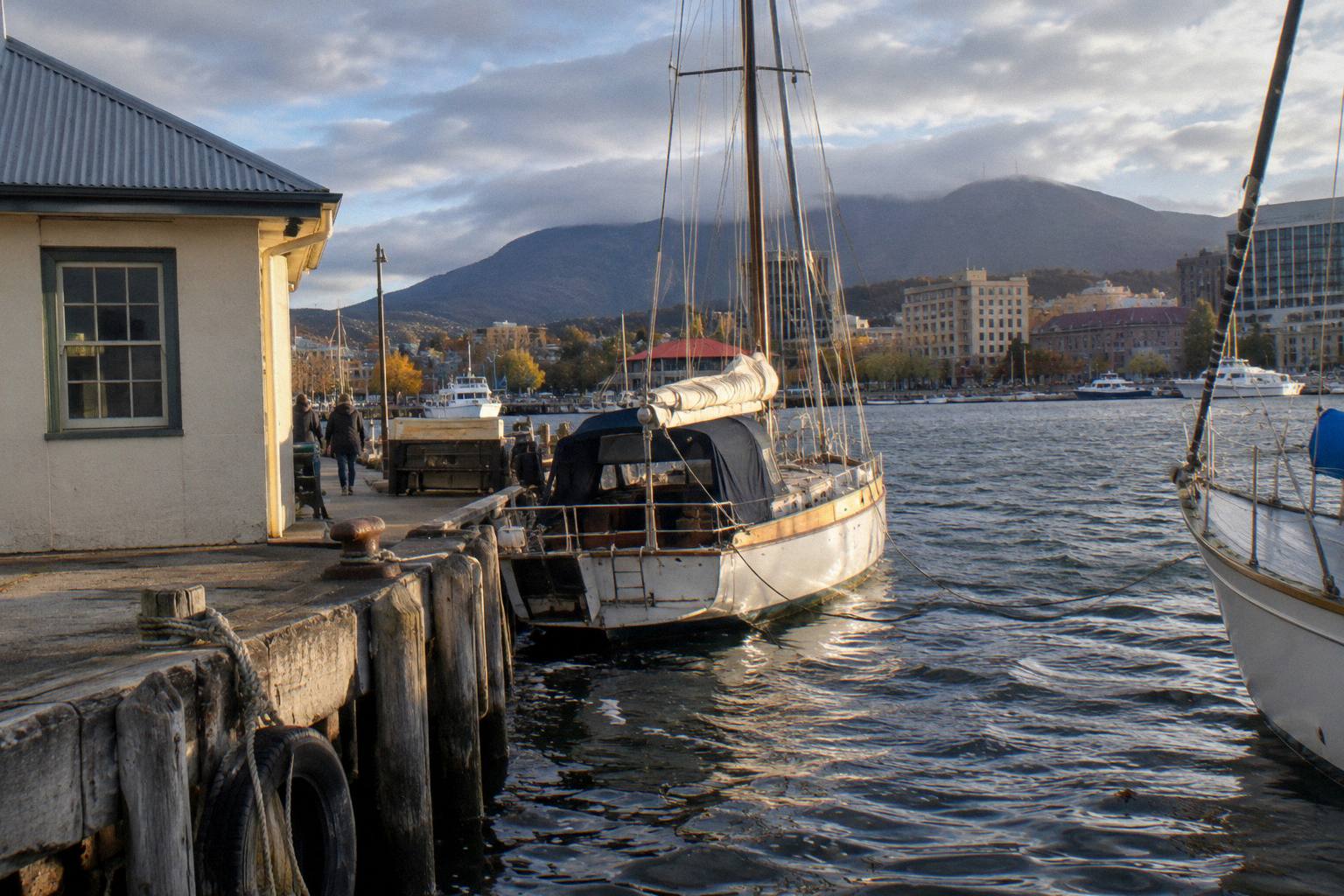
Christmas Day is the one date the calendar removes entirely: the Iron Pot cruise operates daily except Christmas Day. Everything else on the roster runs off its own listing calendar, with the Peppermint Bay Sunday Cruise And Lunch on select Sundays and its 2026/27 dates live from 8 November. For price planning, the operator's own figure for the Iron Pot cruise is A$150 adult and A$130 for children aged 1 to 16; most other cruises do not publish a price in the material here, and the site's Hobart cruise prices guide works through what is and is not stated.
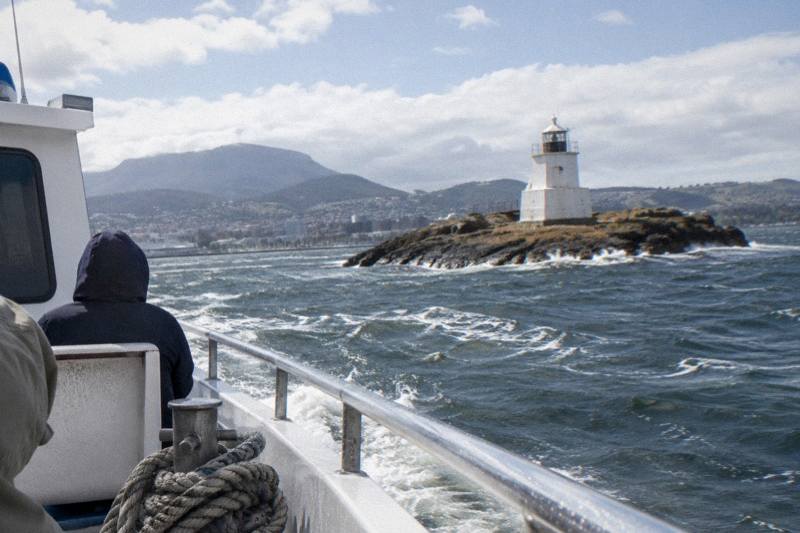
The seasonal anchoring point for this site's featured cruise, the 2.5-Hour Iron Pot Lighthouse Cruise from Franklin Wharf, is simple to state. It runs every day of the year except Christmas Day at 2.00pm, and from December to April you also get the 10.00am departure. Its route reaches Tasmania's oldest lighthouse, built by convicts in 1832: an 11-metre sandstone tower with walls 1.5 metres thick, solar powered since 1977, standing on Iron Pot island in Storm Bay at the mouth of the Derwent, with live commentary from the skipper and a rating of 4.9 across 248 reviews. No month of the year prices it out or closes it, which makes it the most schedule-flexible anchor a month-by-month plan can have.
However you build the trip, the operators' own pages carry the live calendars, and the museum ferry that also leaves Brooke Street Pier is a separate MONA product, not one of these cruises. Timing a Hobart boat trip is, in the end, three decisions in order: a month from the averages, a duration from the roster, and a booking made early enough to be sure and late enough to be changed free.
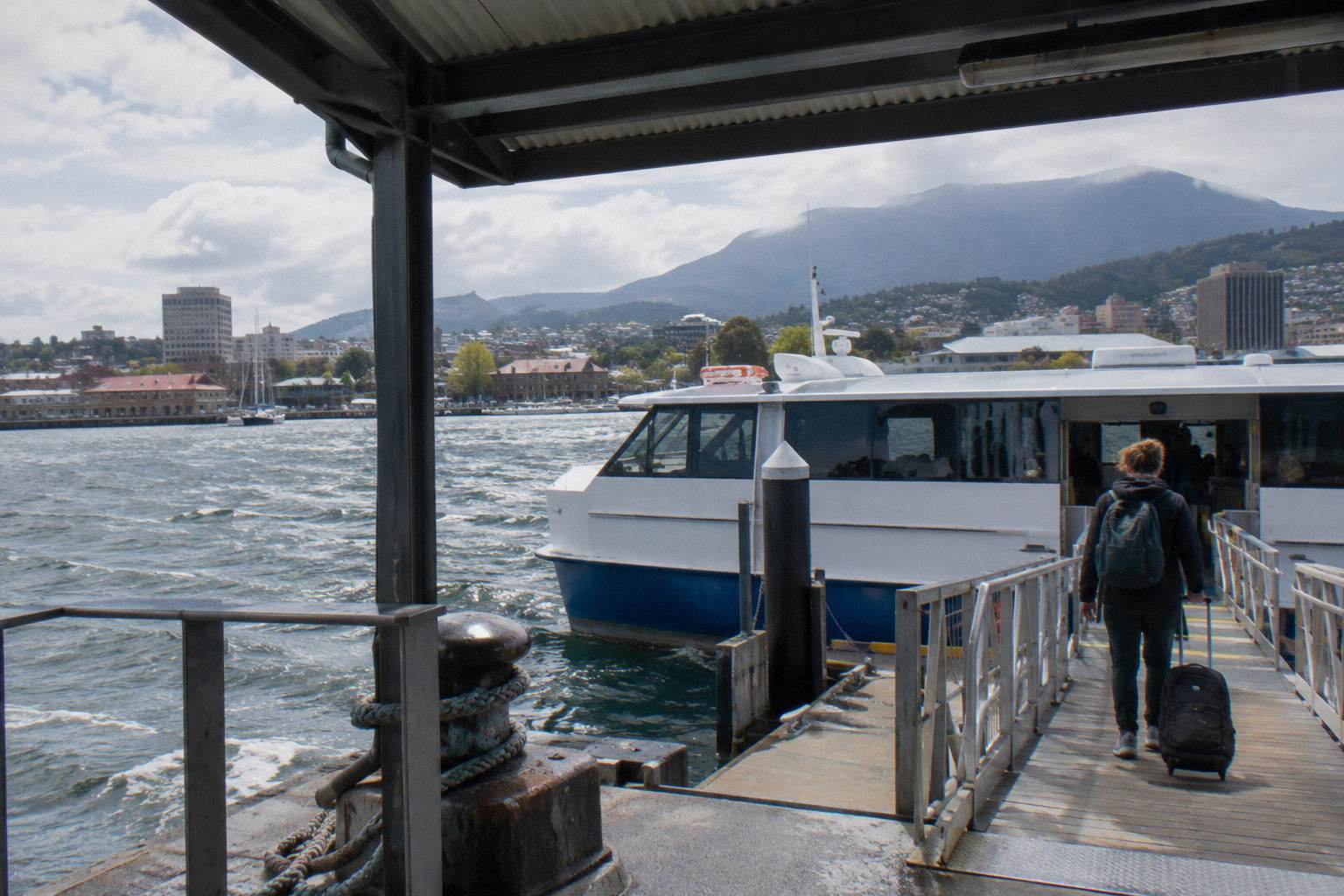
These three cruises bracket the choice at any time of year:
Common Questions About Timing A Hobart Boat Trip
What Is The Best Time To Visit Hobart For A Boat Trip?
By the Bureau of Meteorology averages, January to March offers the warmest and driest conditions, with February the standout at a 21.8 °C mean maximum, 38.6mm of rain and 4.9 rain days. December to April also adds a 10.00am departure to the Iron Pot cruise alongside its year-round 2.00pm sailing. Every month has bookable departures except Christmas Day.
Do Hobart Cruises Run In Winter?
Yes. The 2.5-Hour Iron Pot Lighthouse Cruise operates daily except Christmas Day, with a 2.00pm departure all year, and its vessels have an enclosed cabin with leather seats. Winter averages are mild, 11.9 °C mean maximum in July, but the operator advises dressing warmly on the water in every season.
What Time Do Hobart Cruises Depart?
The Iron Pot cruise departs at 10.00am from December to April and 2.00pm daily year-round, and Peppermint Bay's Sunday Cruise And Lunch leaves at 10:30am on select Sundays. Departure times for every other cruise are not stated: check the live listing for start times.
Which Month Is The Wettest In Hobart?
October, on the long-term averages: 61.8mm of rain across 9.4 days of 1mm or more, both the highest figures of the year, despite a mild 17.1 °C mean maximum. These are land-station averages and describe neither sea state nor any individual day.
How Far Ahead Should I Book A Hobart Cruise?
How far ahead cruises sell out is not stated, but bookings are essential for the Iron Pot cruise, and the cancellation terms make early booking low-risk: every roster cruise's booking page allows cancellation up to 24 hours in advance for a full refund. Pennicott's operator terms charge 50% within 48 hours of departure and 100% within 24 hours.
Is There A Sunset Or Whale-Watching Cruise In Hobart?
No. Among the tours covered on this site there is no bookable sunset cruise, whale-watching cruise or New Year's Eve cruise, and no sunset, whale or fireworks sighting is promised anywhere. The roster's cruises run by day, with the Iron Pot sailings at 10.00am December to April and 2.00pm daily.